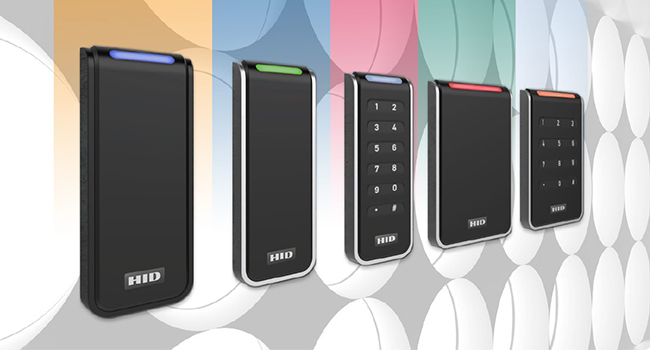

Construction sites across the South West are undergoing a security transformation. Traditional sign-in sheets, manual gate checks, and basic proximity fobs are being replaced by AI-driven access control systems that use biometric verification, mobile credentials, and intelligent visitor management to secure sites more effectively while streamlining workforce logistics. For principal contractors managing major builds in Bristol, Somerset, and Wiltshire in 2026, AI-powered site access is no longer a futuristic concept — it's a competitive necessity.
Why Construction Site Access Control Is Changing
The construction industry faces unique access control challenges that static, credential-based systems struggle to address:
- High workforce turnover — Subcontractors, agency workers, and specialist trades rotate frequently. Managing physical credentials for hundreds of individuals across a project lifecycle is administratively intensive and creates security gaps when cards or fobs are shared, lost, or not returned
- Compliance and induction tracking — Under CDM Regulations 2015, principal contractors must ensure every person on site has completed relevant inductions, holds valid CSCS cards, and has been briefed on site-specific hazards. Manual verification is slow and error-prone
- Insurance requirements — Insurers increasingly require auditable access records demonstrating who was on site, when, and for how long. Paper-based sign-in systems do not meet this standard
- Theft and unauthorised access — Construction sites are high-value targets. Plant, materials, and tools worth tens of thousands of pounds are vulnerable, particularly on large open sites with multiple access points
AI-driven access control addresses every one of these challenges simultaneously, and major South West projects like the Brabazon development in Bristol — a 370-acre mixed-use regeneration at the former Filton Airfield — are at the forefront of adoption.
Biometric Access Control for Construction Sites
Biometric verification eliminates the fundamental weakness of credential-based systems: the credential can be separated from the person. With biometrics, the person is the credential.
- Facial recognition turnstiles — Workers register their biometric template during induction. Subsequent site entry takes under 2 seconds via facial recognition cameras mounted on access turnstiles. No card, no fob, no PIN — and no possibility of buddy-punching or credential sharing
- Fingerprint readers — Ruggedised fingerprint scanners designed for outdoor environments provide an alternative biometric modality for sites where facial recognition is impractical (e.g., workers wearing full-face RPE)
- Multi-factor biometric + credential — For the highest security levels, biometric verification can be combined with a secondary credential (smart card, mobile app, or PIN) to create a two-factor authentication process at the gate
The AI element comes in the system's ability to learn and adapt: modern biometric systems continuously update their recognition models to account for changes in appearance (facial hair, PPE, ageing) and improve matching accuracy over time, achieving verification rates exceeding 99.7% in field conditions.
Mobile Credentials and Digital Induction
Smartphone-based access control is transforming how workers interact with site security:
- Mobile credential apps — Workers download a site-specific app and receive a digital credential linked to their identity, induction status, and approved work areas. The phone communicates with gate readers via Bluetooth Low Energy (BLE) or NFC
- Digital induction verification — Before a mobile credential activates, the system automatically checks that the worker has completed the required online induction, that their CSCS card is valid, and that any site-specific briefings are acknowledged. If any element is missing or expired, access is denied until compliance is restored
- Geofenced zones — Mobile credentials can be programmed to restrict access to specific zones within the site. A groundworker's credential won't open the structural steelwork zone; an electrician's credential won't grant access to the demolition area. This enforces segregation of trades and hazardous zones automatically
- Real-time muster — In an emergency evacuation, the system instantly generates a digital roll call showing exactly who is on site and in which zone, replacing the manual headcount process that delays emergency response
AI-Powered Visitor Management
Managing visitors — clients, architects, inspectors, delivery drivers — is one of the most time-consuming aspects of site security. AI visitor management systems automate the process:
- Pre-registration — Visitors receive a digital invitation with QR code, expected arrival time, and pre-visit briefing materials. On arrival, they scan the QR code at a self-service kiosk
- Automatic host notification — The system alerts the host via app notification or SMS the moment their visitor checks in
- ANPR for vehicles — Automatic number plate recognition at vehicle gates identifies pre-registered delivery vehicles and triggers barrier opening without manual intervention. Unregistered vehicles are flagged for gatehouse verification
- Watchlist screening — AI systems can cross-reference visitor identities against internal watchlists (e.g., previously banned individuals, expired contractors) in real time
Integration with Site CCTV and Security Systems
The real power of AI access control emerges when integrated with other site security layers:
- AI CCTV analytics — Access events trigger camera recording, creating a visual audit trail linked to each credential holder. If an access event occurs outside expected hours, the CCTV system automatically flags the footage for review
- Intruder detection — After-hours access attempts trigger intruder alarm zones, with alerts pushed to the monitoring station and site management simultaneously
- Scaffold alarm integration — Access credentials can arm and disarm scaffold alarm zones based on authorised working hours, preventing false alarms during legitimate work and ensuring full protection outside those hours
- Plant tracking — GPS-tracked plant and equipment can be linked to access control data to create a comprehensive asset and personnel management system
The Brabazon Project: A South West Case Reference
The Brabazon development in north Bristol represents exactly the type of large-scale, long-duration project where AI access control provides maximum value. With multiple contractors, phased handover, and thousands of workers cycling through over a multi-year programme, the logistics of managing site access manually would be overwhelming. AI-driven systems provide:
- Automated compliance tracking across all subcontractor workforces
- Zone-based access restrictions that evolve as the project phases change
- Real-time workforce analytics showing trade density, peak arrival times, and overtime patterns
- Digital audit trail satisfying CDM, insurance, and client reporting requirements
GDPR and Data Protection Considerations
Biometric data is classified as special category data under UK GDPR. Construction sites deploying facial recognition or fingerprint systems must ensure:
- A lawful basis for processing — typically explicit consent or legitimate interests with a thorough impact assessment
- A Data Protection Impact Assessment (DPIA) completed before deployment
- Biometric templates stored securely with encryption and access controls
- Clear retention policies — data should be deleted when a worker leaves the project
- Worker notification — signage and privacy notices explaining what data is collected and why
We design every access control installation with GDPR compliance built in, not bolted on. Our systems include configurable retention policies, encrypted storage, and comprehensive audit logging.
Choosing the Right System for Your Site
The optimal AI access control solution depends on site scale, duration, and security risk:
| Site Type | Recommended Solution | Key Features |
|---|---|---|
| Large multi-phase (Brabazon-scale) | Biometric turnstiles + mobile credentials | Zone-based access, ANPR, real-time muster |
| Medium commercial build | Mobile credential app + ANPR | Digital induction, visitor management |
| Short-term / temporary site | Rapid-deploy wireless system | Quick install, relocatable, cloud-managed |
| High-security / sensitive site | Multi-factor biometric + mantrap | Dual authentication, anti-tailgate, CCTV verification |
Why Choose Affinity Fire & Security for Construction Site Access Control?
As a specialist security installer, backed by a team with 25+ years of industry experience across the South West, We provide integrated security solutions for construction sites of all scales. From rapid-deploy temporary systems to permanent biometric installations, our qualified engineers design, install, and maintain access control systems that meet CDM, insurance, and client requirements.
We work with leading access control manufacturers and integrate with CCTV surveillance, intruder detection, and scaffold alarm systems to deliver comprehensive site security. Whether you're managing a major infrastructure project or a single commercial build, get in touch with our team for a free site survey and quotation.
Talk to a Local Engineer
If you would like honest advice, a clear written quote, or help with compliance paperwork,get in touch with our team. We are a small, experienced South West team, and we look after every customer properly — no pushy sales, no hidden extras, and documentation you can rely on.