Fire is the loss most heritage custodians plan for — but insurers' claims data tells a different story. Escape of water is now the single largest source of major loss in UK historic and high-value buildings. A burst valve above a Georgian ceiling, a slow drip into oak panelling, an overflowing gutter into a lath-and-plaster wall — each can cause damage measured in six or seven figures, and much of it is irreversible.
Why Early Warning Matters More Than Response
Water damage compounds by the hour. Within minutes it soaks into porous stone and lime plaster; within hours it lifts gilding, delaminates marquetry and stains textiles beyond restoration. By the time a leak is discovered visually — often at first opening the next morning — the loss is already committed. Early-warning water leak detection compresses the response window from hours to seconds.
How a Modern Leak Detection System Works
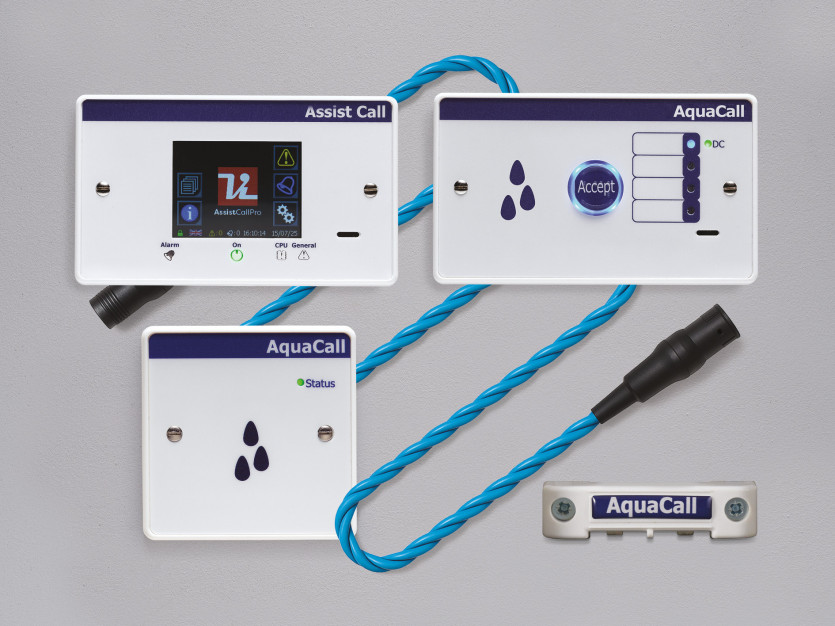
- Sensor cable: low-profile conductive rope run along skirtings, beneath boilers, around water tanks and behind sanitaryware — detects water anywhere along its length
- Spot sensors: individual pucks placed in known risk points: cupboard bases, plant room floors, riser cupboards, lift pits
- Flow-based detection: in-line meters on the incoming main learn normal usage patterns and flag continuous flow indicating a burst
- Automatic isolation: motorised valves close the mains water supply within seconds of an alarm — the single most valuable feature in an unoccupied heritage property
Integration With Fire, Security & Building Systems
A stand-alone leak alarm on a wall is of little use when the building is empty. Integration is what turns detection into protection.
- Alarms routed through the existing intruder or fire alarm panel to an alarm receiving centre for 24/7 monitoring
- SMS and app notification to estate managers, custodians and duty engineers
- BMS integration for automatic pump and boiler shutdown
- Audit logging of every event for insurer and conservation reporting
Ideal Applications
- Country houses, castles and manor properties across Somerset, Wiltshire and Gloucestershire
- Cathedrals, churches and chapels with historic organs, textiles and monuments
- Museums, galleries and archive stores where collection value is irreplaceable
- Bath's Georgian townhouses and Bristol's Grade II* commercial conversions
- Data halls, comms rooms and plant spaces within otherwise dry historic fabric
An Environmental Protection Layer That Pays for Itself
Many UK insurers now offer significant premium reductions — commonly 10–20% on the water peril — for buildings fitted with a monitored leak detection and automatic isolation system. For a listed asset, the underwriter's discount alone often recovers the installation cost within the first policy year, before any actual loss is prevented.
We design and installs water leak detection alongside the fire and security systems already protecting your building. One engineering team, one maintenance visit, one point of accountability for the safeguards that keep your heritage asset standing.
Talk to a Local Engineer
If you would like honest advice, a clear written quote, or help with compliance paperwork,get in touch with our team. We are a small, experienced South West team, and we look after every customer properly — no pushy sales, no hidden extras, and documentation you can rely on.