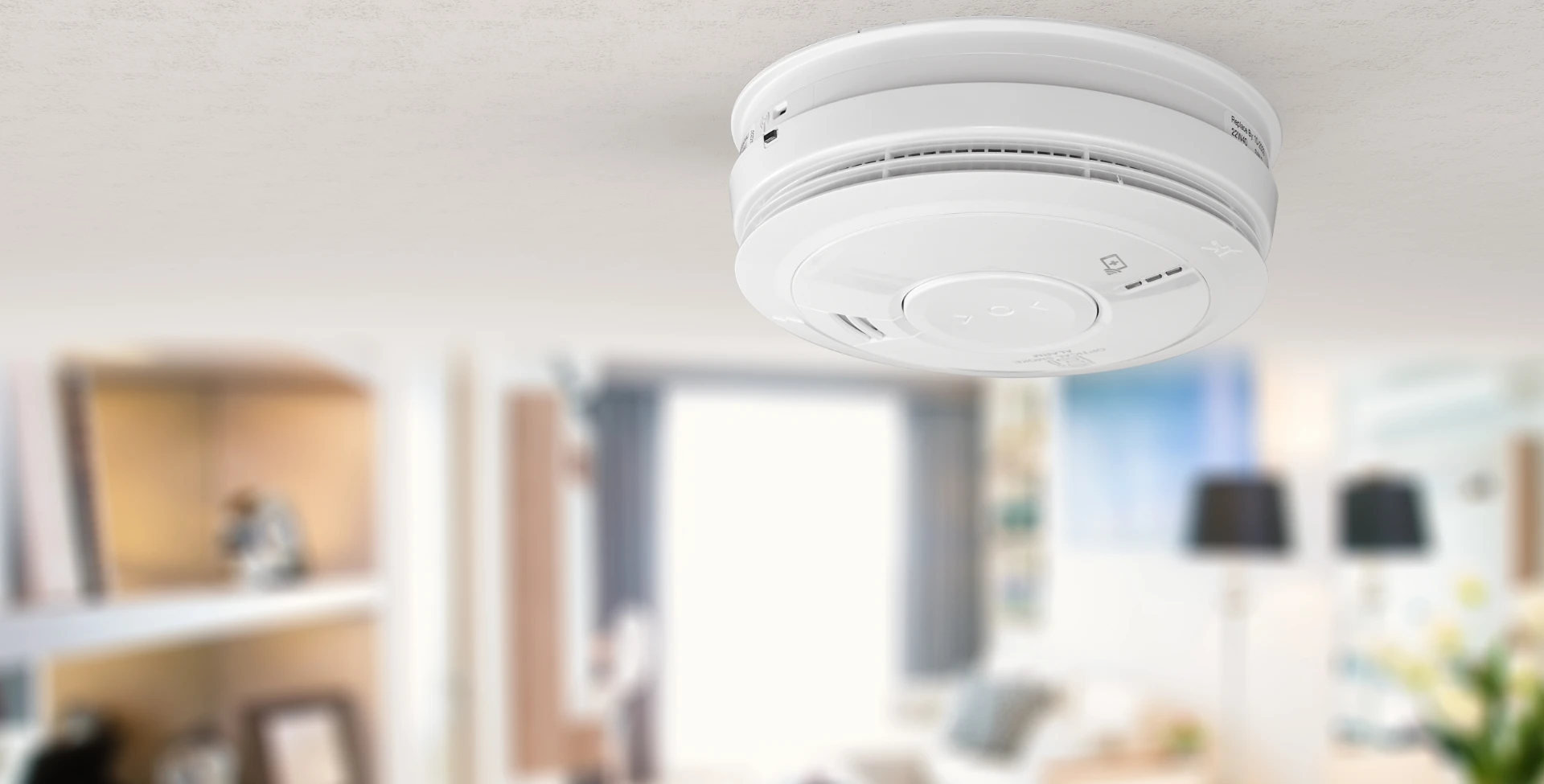
Historic and listed buildings present a design challenge unlike any other in the fire and security industry. The very fabric that must be protected — lath and plaster, oak panelling, decorative plasterwork, lead-lined roofs — is the same fabric that cannot be drilled, chased or over-trunked. Meeting BS 5839-1 and BS EN 50131 in a Grade I or Grade II* setting demands an approach that starts with the building, not the catalogue.
Working Within the Constraints of Listing
Every intervention on a listed building is regulated under the Planning (Listed Buildings and Conservation Areas) Act 1990. Fire alarm and security work almost always requires Listed Building Consent, and the conservation officer will expect to see a design that demonstrates minimal impact on historic fabric and full reversibility wherever possible.
- Reversibility: surface fixings on lime plaster rather than chases; brass or bronze finishes rather than white plastic
- Route selection: cabling behind existing skirtings, in redundant service voids and above lift-and-relay flooring
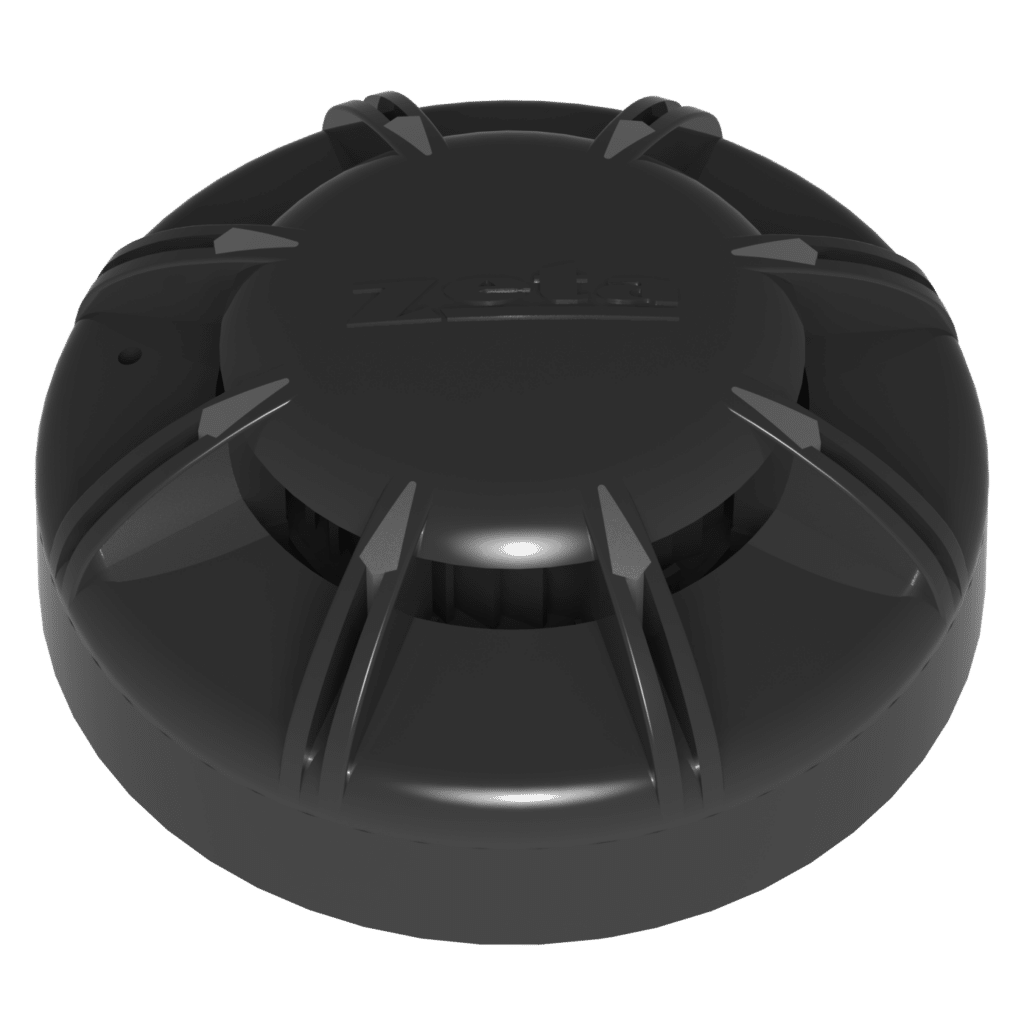
- Sympathetic hardware: flush-mounted detectors, aspirating sample points concealed within cornices, brushed brass call points
- Documentation: heritage impact assessment lodged with the local authority conservation team
Wireless Fire Detection as an Enabling Technology
Modern EN 54-25 wireless systems — Hochiki Ekho, Apollo XPander, EMS FireCell — have transformed what is possible in heritage buildings. A category L1 system can be delivered with almost no cable at all, protecting fabric that could not have been touched a decade ago. Battery life of 5–10 years combined with monitored RF paths meets BS 5839-1:2025 in full.
Aspirating Smoke Detection for Sensitive Spaces
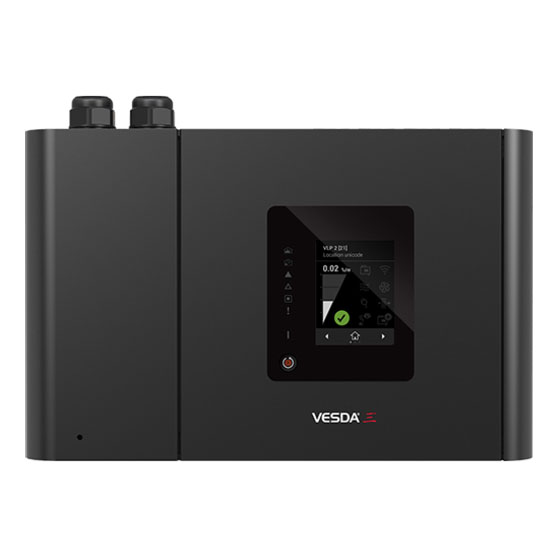
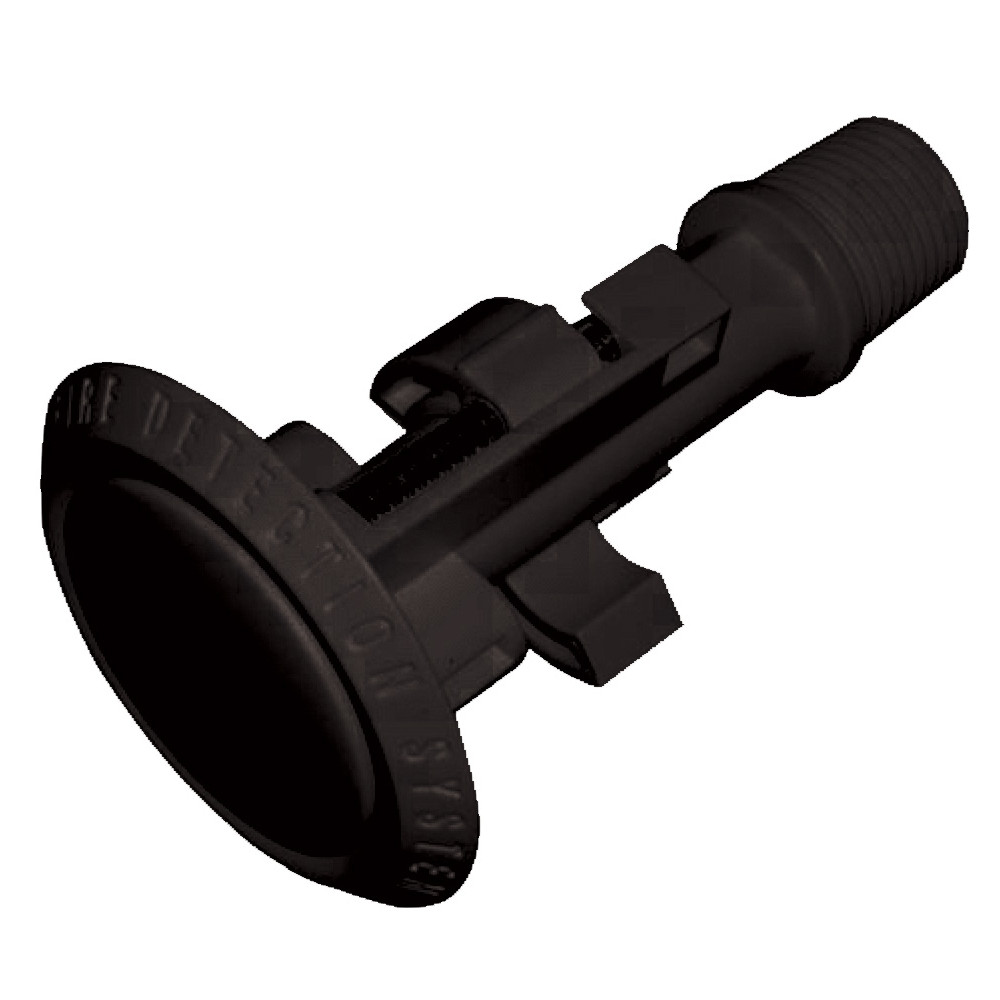
Where visible detectors would be intrusive — a decorated ceiling, a museum gallery, a chapel — aspirating smoke detection (ASD) draws air through a small-bore pipe network to a remote analyser. Sample points can be as small as 2 mm and installed into existing cornice detail, giving very-early warning without any visible technology at ceiling level.
Security Systems That Respect the Building
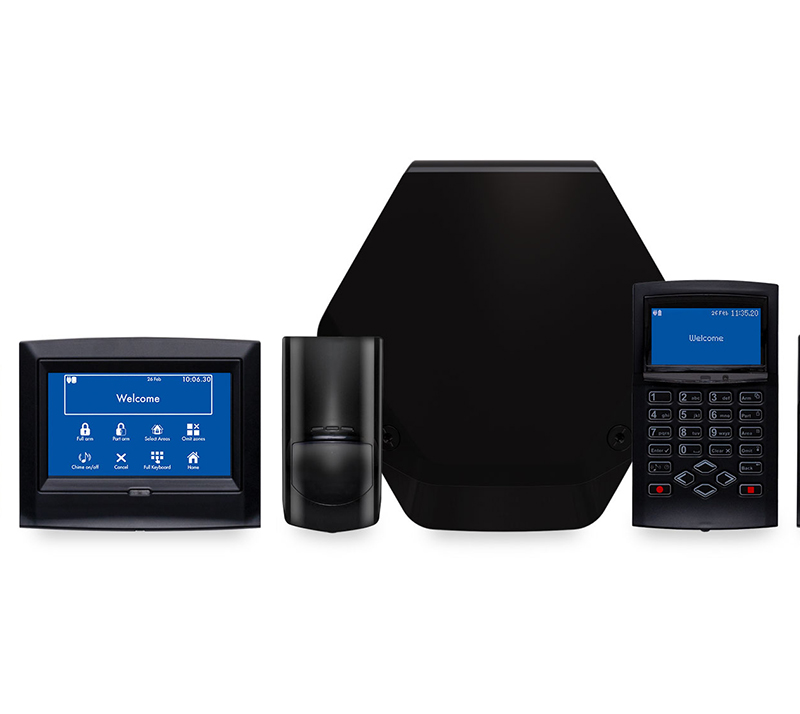
- Intruder detection: wireless dual-technology PIRs and door contacts in brass or period finishes; discreet vibration and glass-break sensors on original leaded windows
- Access control: stand-off readers to avoid drilling original doors; magnetic bond sensors and shear locks concealed within jambs
- CCTV: low-profile mini-domes and covert pinhole cameras where planning consent restricts external cameras
- Perimeter protection: beam detection along drives and boundary walls where physical hardening is not permitted

The Affinity Fire & Security Heritage Approach
Our local engineers work regularly on listed churches, country houses, Bath's Georgian terraces, medieval halls across Somerset and Wiltshire, and West Country museums. Every project begins with a joint site walk involving the responsible person, the conservation officer and our design team — so that the fire and security solution is shaped by the building's story, not imposed on it.
Talk to a Local Engineer
If you would like honest advice, a clear written quote, or help with compliance paperwork,get in touch with our team. We are a small, experienced South West team, and we look after every customer properly — no pushy sales, no hidden extras, and documentation you can rely on.