Bath's Georgian terraces, Regency crescents, and Victorian villas are among the most architecturally significant residential properties in the UK. Many are Grade I or Grade II listed, and virtually all fall within Bath's UNESCO World Heritage Site or one of the city's numerous conservation areas. For property owners, this creates a fundamental tension: the need for effective security versus the strict limitations on physical alterations to historic buildings.
Standard burglar alarm installations — drilling through walls, running surface-mounted cable trunking, fixing external sounder boxes to facades — are typically prohibited or severely restricted in listed buildings and conservation areas. However, modern wireless alarm technology now makes it possible to install a fully compliant, professionally monitored intruder alarm system with minimal physical impact on the building fabric.
Conservation Area Restrictions
Bath and North East Somerset Council (BANES) enforces strict controls on alterations to listed buildings and properties within conservation areas:
- Listed building consent — Any alteration that affects the character of a listed building requires consent, including drilling holes for cable routes and fixing alarm devices to historic surfaces
- External appearance — External sounder boxes, cable runs, and equipment mounted on the front elevation of properties in conservation areas may require planning permission
- Reversibility — Conservation officers generally prefer alterations that are reversible and do not permanently damage historic fabric
- Proportionality — The security installation must be proportionate to the property and not visually dominate or detract from the historic character
The 5 Best Alarm Types for Bath Period Properties
1. Fully Wireless Intruder Alarm Systems
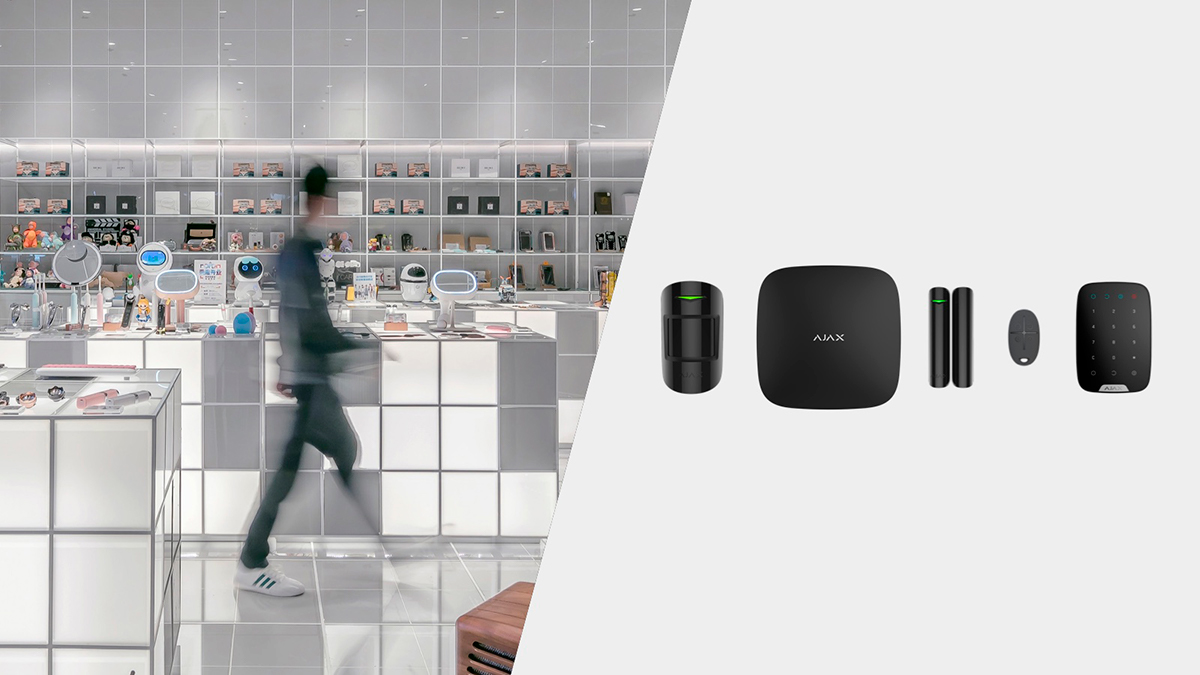
Fully wireless systems use battery-powered detectors that communicate with the control panel via encrypted radio signals. No cables are required between the panel and any detector, sounder, or contact. This eliminates the need for drilling cable routes through walls, lifting floorboards, or running trunking across period features.
- Advantages: Zero cabling, minimal fixings, battery life of 3-5 years, fully reversible installation
- Best for: Grade I listed properties where any physical alteration is problematic
- Consideration: Thick Bath stone walls can attenuate radio signals — signal surveys are essential before installation
2. Hybrid Wired/Wireless Systems
Hybrid systems allow a wired backbone in areas where discreet cable routing is possible (basements, service voids, modern extensions) while using wireless devices in sensitive areas where cabling would be visually intrusive or physically damaging.
- Advantages: Combines the reliability of wired devices with the flexibility of wireless where needed
- Best for: Grade II listed properties where some cable routing is feasible in less sensitive areas
- Consideration: Requires careful planning to identify acceptable cable routes
3. Self-Contained Door and Window Sensors
For properties where even a central control panel is undesirable, self-contained magnetic sensors with integrated sirens can be fitted to individual doors and windows. These standalone units activate independently when the protected opening is breached.
- Advantages: No central panel, no interconnection, individual device operation
- Best for: Small apartments within subdivided listed buildings where a full system is not warranted
- Consideration: No professional monitoring capability, limited to point-of-entry detection
4. Smart Alarm Systems with App Monitoring
Professional-grade smart alarm systems combine wireless detection with smartphone app control and monitoring. These systems can be professionally installed and configured while providing the homeowner with remote arm/disarm capability and real-time notifications.
- Advantages: Remote management, integration with smart home systems, professional installation standards
- Best for: Owner-occupied period properties where the homeowner wants active involvement in security management
- Consideration: App monitoring alone does not qualify for police URN response — professional ARC monitoring is required for this
5. Alarm Systems with Discreet External Sounders
Where an external sounder is required, miniature sounder units finished in heritage colours (stone, cream, Bath stone yellow) can be specified to minimise visual impact on the building facade. Some conservation officers will accept a discreet rear-mounted sounder rather than a front-elevation unit.
- Advantages: Provides the deterrent effect of an external sounder without the visual impact of a standard white or yellow box
- Best for: Properties where the conservation officer permits an external sounder with conditions
- Consideration: Discuss sounder placement and colour with the conservation officer before installation
Heritage-Sensitive Installation Methods
Regardless of the system type chosen, installation in a Bath period property requires specific techniques:
- Adhesive fixings — Where possible, devices are mounted using conservation-approved adhesives rather than screws, avoiding drill holes in historic surfaces
- Existing cable routes — Where wired devices are used, cables follow existing service routes (behind skirting boards, through floor voids, along existing trunking) rather than creating new penetrations
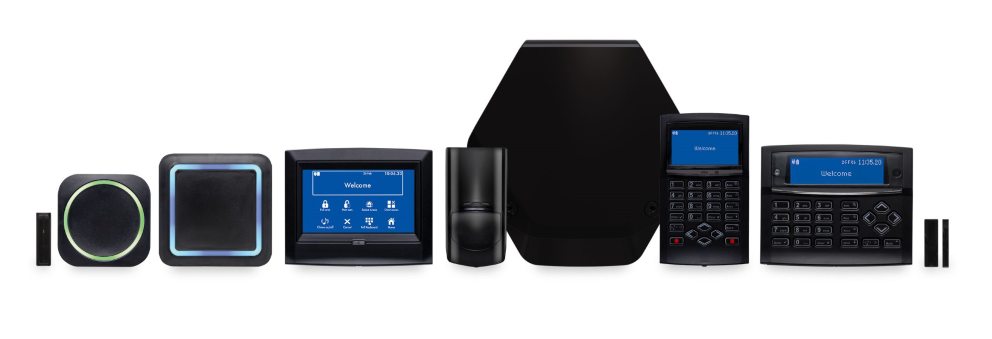
- Colour-matched devices — Detectors and sounders can be specified in colours that blend with the interior décor or external stonework
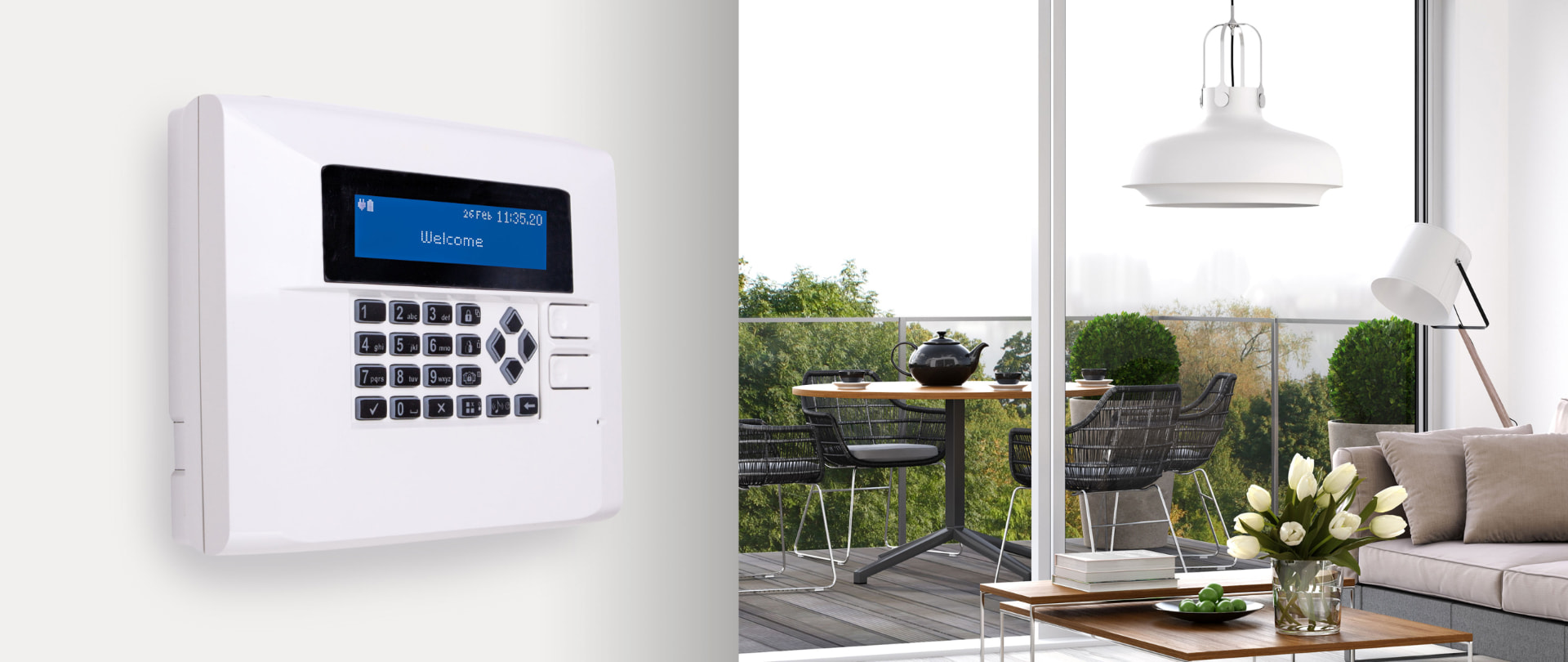
- Minimal visible equipment — The control panel can be located in a cupboard, utility room, or basement to avoid visual impact in principal rooms
- Photographic record — A photographic record of the installation is maintained to demonstrate reversibility and minimal impact
Working with Conservation Officers
For listed buildings, early engagement with the BANES conservation team is essential. We can prepare technical proposals that address conservation concerns while delivering effective security. Our experience with listed building installations across Bath means we understand what conservation officers expect and can design systems that satisfy both security and heritage requirements.
Affinity Fire & Security Period Property Security Services
We have installed intruder alarm systems in numerous listed and period properties across Bath and the surrounding area. We specialise in wireless and hybrid systems that provide professional-grade protection with minimal physical impact on historic building fabric. Get in touch with our team for a heritage-sensitive security consultation.
Talk to a Local Engineer
If you would like honest advice, a clear written quote, or help with compliance paperwork,get in touch with our team. We are a small, experienced South West team, and we look after every customer properly — no pushy sales, no hidden extras, and documentation you can rely on.