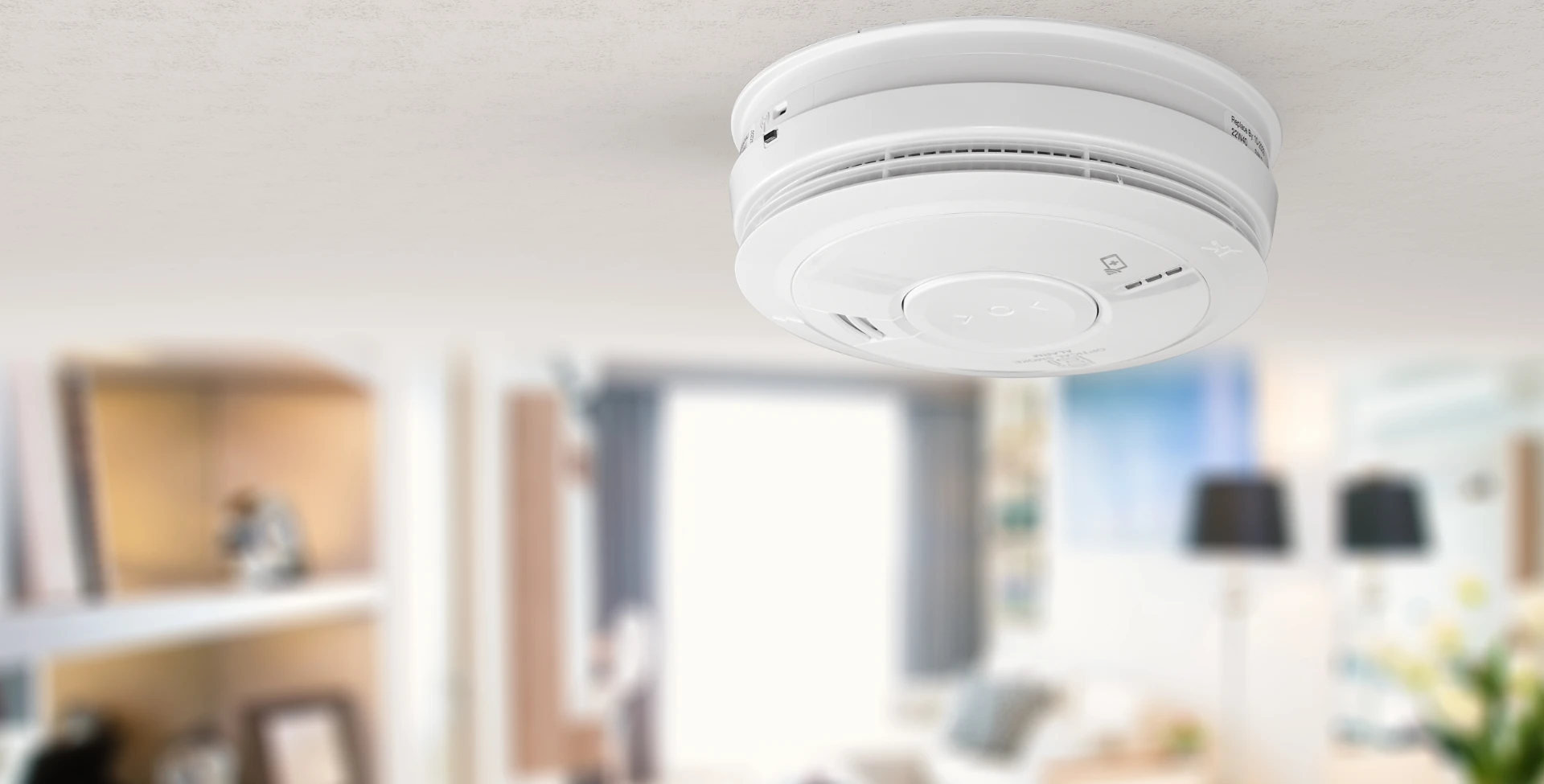

Regular fire alarm testing is one of the most important fire safety measures any Gloucestershire business can implement. Yet it is also one of the most frequently neglected. Whether due to busy schedules, lack of understanding, or simple oversight, missed fire alarm tests put lives at risk and expose businesses to legal liability.
The Legal Requirement
Under the Regulatory Reform (Fire Safety) Order 2005, the responsible person for any non-domestic premises must ensure that fire detection and warning systems are maintained in efficient working order. BS 5839-1 specifies that fire alarm systems should be tested weekly as a minimum, with more comprehensive inspections carried out quarterly and annually. For a full breakdown of servicing intervals, see our guide to fire alarm servicing frequencies.
What Weekly Testing Involves
Weekly fire alarm testing is straightforward but must be carried out consistently:
- Activate a manual call point using an approved test key
- Rotate through different call points each week
- Confirm that the fire alarm panel responds correctly
- Verify that sounders and visual indicators activate
- Record the test in the fire alarm logbook
- Report any faults to your fire alarm maintenance provider
Why Testing Is More Than a Tick-Box Exercise
Fire alarm testing serves several critical purposes beyond simply meeting legal requirements:
- Identifies faults early — A fault discovered during a routine test can be rectified before it compromises safety
- Maintains occupant awareness — Regular tests ensure building occupants recognise the alarm sound and know how to respond
- Demonstrates due diligence — In the event of a fire, documented evidence of regular testing demonstrates the responsible person took their duties seriously
- Supports insurance requirements — Many insurers require evidence of regular fire alarm testing as a condition of cover
Common Testing Mistakes
Our engineers frequently encounter the following issues during inspections of Gloucestershire premises:
- Testing the same call point every week instead of rotating
- Not recording tests in the logbook
- Ignoring minor faults flagged during testing
- Silencing the alarm before all zones have been checked
- Not notifying the monitoring centre before testing
These mistakes are among the most common compliance failures we identify across the region.
Support for Gloucestershire Businesses
We can provide training for your staff on correct weekly testing procedures, as well as professional quarterly and annual inspections. Our maintenance contracts ensure your Gloucestershire premises remains fully compliant with BS 5839-1 at all times. If your system is struggling with frequent false alarms or recurring faults, it may be time to consider whether upgrading rather than repairing is the more cost-effective path forward.
Talk to a Local Engineer
If you would like honest advice, a clear written quote, or help with compliance paperwork,get in touch with our team. We are a small, experienced South West team, and we look after every customer properly — no pushy sales, no hidden extras, and documentation you can rely on.