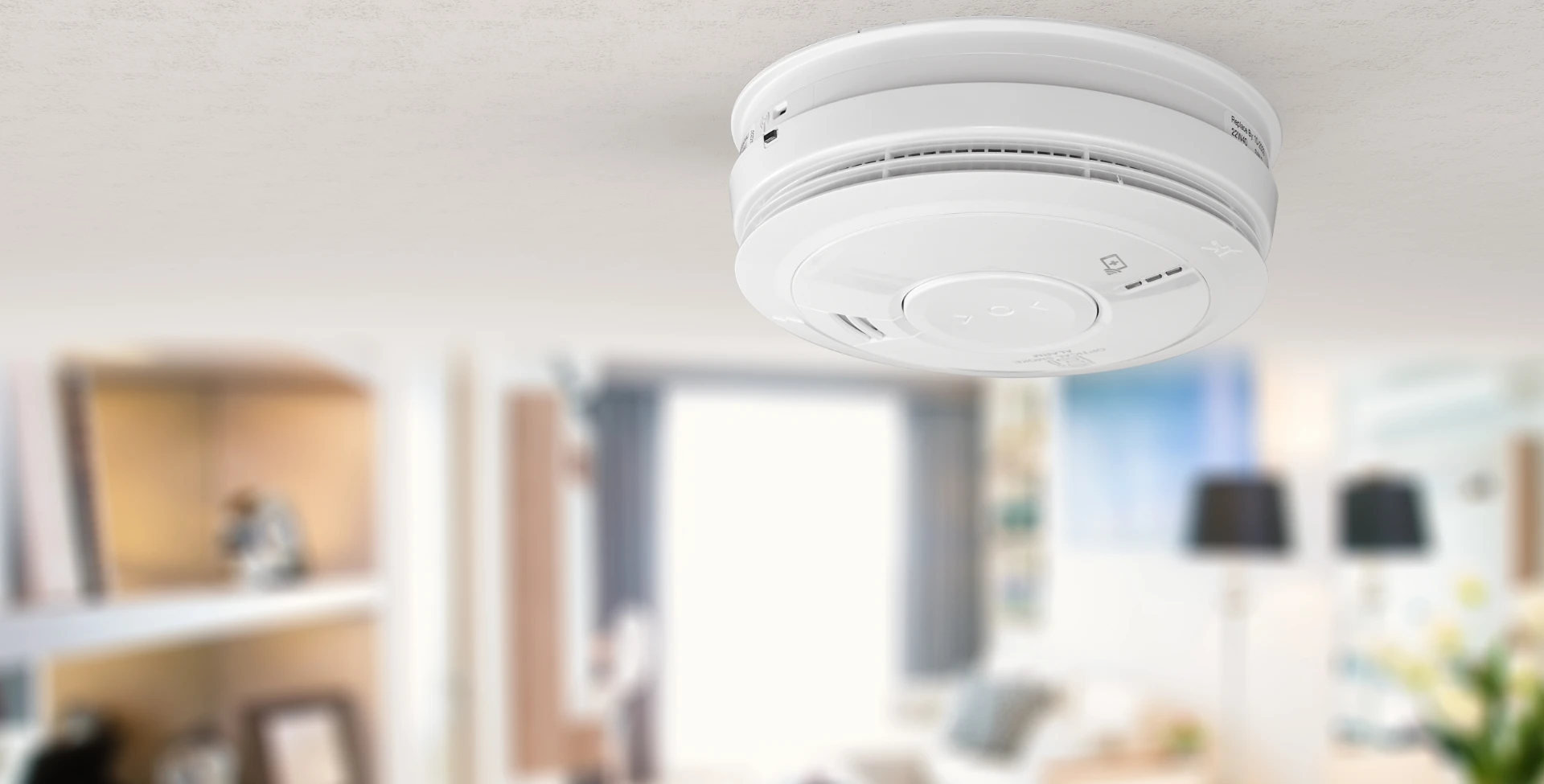
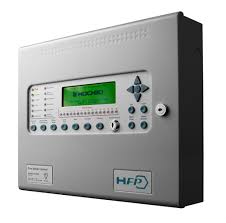
Fire alarm compliance failures are more common than many Bristol building owners and managers realise. During routine inspections and maintenance visits, our engineers regularly identify issues that could result in enforcement action from Avon Fire and Rescue Service. Understanding the most common failures helps responsible persons take proactive steps to address them.
1. Inadequate System Coverage
One of the most frequent findings is that the fire alarm system does not provide adequate coverage for the building's current use. This often occurs when a building has been refurbished, partitioned, or changed use without the fire alarm being updated to match. Areas such as newly created offices, storage rooms, or server rooms may lack detection.
2. Missing or Outdated Fire Risk Assessment
The fire alarm system should be designed in accordance with a current fire risk assessment. If the assessment is outdated or has never been carried out, there is no basis on which to confirm the system is appropriate. This is a fundamental compliance failure. For a detailed look at BS 5839 compliance requirements, see our practical guide.
3. Poor Maintenance Records
The responsible person must be able to demonstrate that the fire alarm system is regularly tested and maintained. Missing logbooks, incomplete records, or gaps in the maintenance schedule are commonly identified issues. BS 5839-1 requires documented evidence of weekly testing and quarterly professional inspections.
4. Isolated or Silenced Devices
Detectors that have been isolated (disconnected) to prevent false alarms are a significant compliance failure. While temporary isolation may be necessary during building works, devices left permanently isolated represent a gap in fire protection.
5. Incorrect System Category
Some Bristol buildings have fire alarm systems that were designed to a category lower than what the current fire risk assessment recommends. For example, a building with an L3 system (escape route protection only) may now require L2 or L1 coverage based on changes to the building or its use. Our fire alarm installation guide explains the different categories in detail.
6. End-of-Life Equipment
Detectors and other components have a finite service life. Smoke detectors should typically be replaced every 10 years, and heat detectors every 15 years. Equipment beyond its recommended service life may not perform reliably in a fire condition. If your system is approaching end-of-life, read our guide on signs you need a new fire alarm system.
How to Address Compliance Gaps
We recommend commissioning a full system audit to identify and address any compliance gaps. Our BS 5839-1-certified engineers will assess your installation against BS 5839-1, review your fire risk assessment, and provide a prioritised action plan. Contact us to arrange a compliance audit at your Bristol premises.
Talk to a Local Engineer
If you would like honest advice, a clear written quote, or help with compliance paperwork,get in touch with our team. We are a small, experienced South West team, and we look after every customer properly — no pushy sales, no hidden extras, and documentation you can rely on.