The Terrorism (Protection of Premises) Act 2023 — universally known as Martyn's Law — enters its critical implementation phase in spring 2026, with the Security Industry Authority (SIA) publishing Section 12 enforcement guidance for public consultation in April 2026. For venue operators, event organisers, and premises managers across Bristol, Gloucester, and the wider South West, this represents the final window to prepare before regulatory enforcement begins. If your venue has a capacity of 200 or more, you need to act now.
What Is Martyn's Law?
Named after Martyn Hett, one of the 22 victims of the Manchester Arena bombing in 2017, Martyn's Law creates a new legal duty for premises and events to take proportionate steps to protect the public from terrorism. It applies to:
- Qualifying premises — Any premises used for entertainment, leisure, retail, food and drink, sport, visitor attractions, museums, galleries, places of worship, or public authority functions
- Qualifying events — Temporary events meeting the capacity thresholds
- Two tiers — Standard tier (capacity 200–799) and Enhanced tier (capacity 800+)
The Act places duties on the "responsible person" — typically the premises operator, owner, or event organiser — to assess terrorism risk and implement protective security measures.
The April 2026 SIA Section 12 Guidance
The SIA has been designated as the regulator for Martyn's Law. In April 2026, the SIA publishes its Section 12 guidance — the detailed operational framework explaining:
- How the SIA will inspect and enforce compliance
- What constitutes "reasonably practicable" protective measures
- The inspection regime — frequency, notice periods, and escalation procedures
- Penalty framework for non-compliance — civil penalties up to £10,000 for standard tier and up to £18 million or 5% of worldwide revenue for enhanced tier
- Templates and tools for completing the required terrorism risk assessments
The public consultation on this guidance runs through spring 2026, meaning venue operators have a limited opportunity to influence the final enforcement framework and, more importantly, to understand what compliance will look like in practice.
Standard Tier Requirements (200–799 Capacity)
Venues in the standard tier must implement basic protective security procedures. These are primarily procedural rather than requiring significant physical security infrastructure:
- Terrorism evaluation — A documented assessment of the terrorism risk to the premises, proportionate to the venue type and location
- Public protection procedures — Written procedures for responding to a terrorist attack, including invacuation, evacuation, and communication with emergency services
- Staff training — All relevant staff must be trained in recognising suspicious behaviour and implementing the response procedures. This includes ACT (Action Counters Terrorism) awareness training
- Designated responsible person — A named individual responsible for compliance
For most Bristol and Gloucester venues in this tier — restaurants, bars, small theatres, community halls — the primary investment is in training and documented procedures rather than physical security systems.
Enhanced Tier Requirements (800+ Capacity)
The enhanced tier imposes more substantial obligations, including physical security measures:
- All standard tier requirements plus:
- Physical security measures — Measures to reduce vulnerability, which may include hostile vehicle mitigation (HVM), bag search facilities, CCTV coverage of approaches and entry points, and perimeter security
- CCTV surveillance — Comprehensive camera coverage of public areas, entry/exit points, and surrounding approaches with recording capability sufficient for post-incident investigation
- Access control — Controlled entry points with the ability to manage crowd flow and prevent unauthorised access to restricted areas
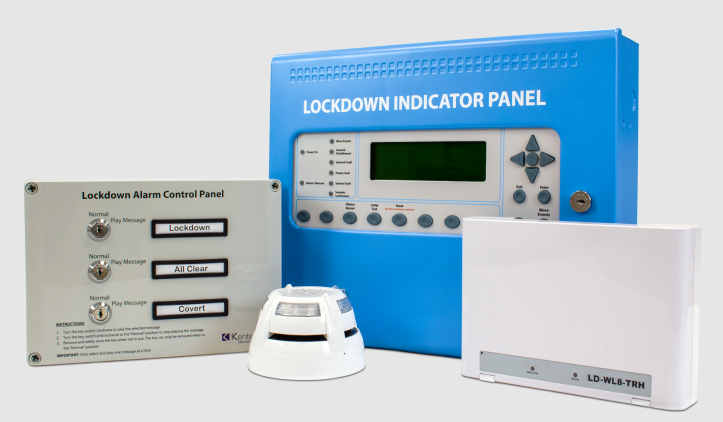
- Lockdown capability — The ability to secure the premises rapidly in a "Run, Hide, Tell" scenario, preventing an attacker from moving freely between zones
- Security operations plan — A comprehensive document covering all security measures, staffing, communication protocols, and coordination with local police Counter Terrorism Security Advisors (CTSAs)
- Annual review — The terrorism evaluation and security plan must be reviewed at least annually
Which Bristol & Gloucester Venues Are Affected?
The breadth of Martyn's Law means that a wide range of South West venues fall within scope:
| Venue Type | Examples | Likely Tier |
|---|---|---|
| Concert venues | Bristol Beacon, SWX, O2 Academy Bristol | Enhanced |
| Sports grounds | Ashton Gate, Memorial Stadium, Kingsholm | Enhanced |
| Conference centres | Bristol Marriott, Ashton Gate Conference | Enhanced |
| Shopping centres | Cabot Circus, The Mall at Cribbs Causeway, Gloucester Quays | Enhanced |
| Theatres & cinemas | Bristol Hippodrome, Everyman Cinema, Gloucester Guildhall | Standard/Enhanced |
| Places of worship | Bristol Cathedral, Gloucester Cathedral | Standard/Enhanced |
| Restaurants & bars | Large capacity restaurants, pub chains | Standard |
Security Systems That Support Compliance
While the standard tier is primarily procedural, the enhanced tier requires physical security infrastructure. The following systems directly support Martyn's Law compliance:
CCTV & Video Analytics
AI-powered CCTV provides the surveillance capability that enhanced tier venues require. Modern systems with video analytics can:
- Detect suspicious behaviour patterns (loitering, repeated reconnaissance visits)
- Alert security teams to abandoned objects
- Provide post-incident forensic evidence to counter-terrorism investigators
- Monitor crowd density and flow in real time
Access Control & Lockdown
Lockdown systems integrated with access control provide the rapid-response capability mandated for enhanced tier venues:
- One-button lockdown of all entry/exit points
- Zone-based security allowing selective area lockdown
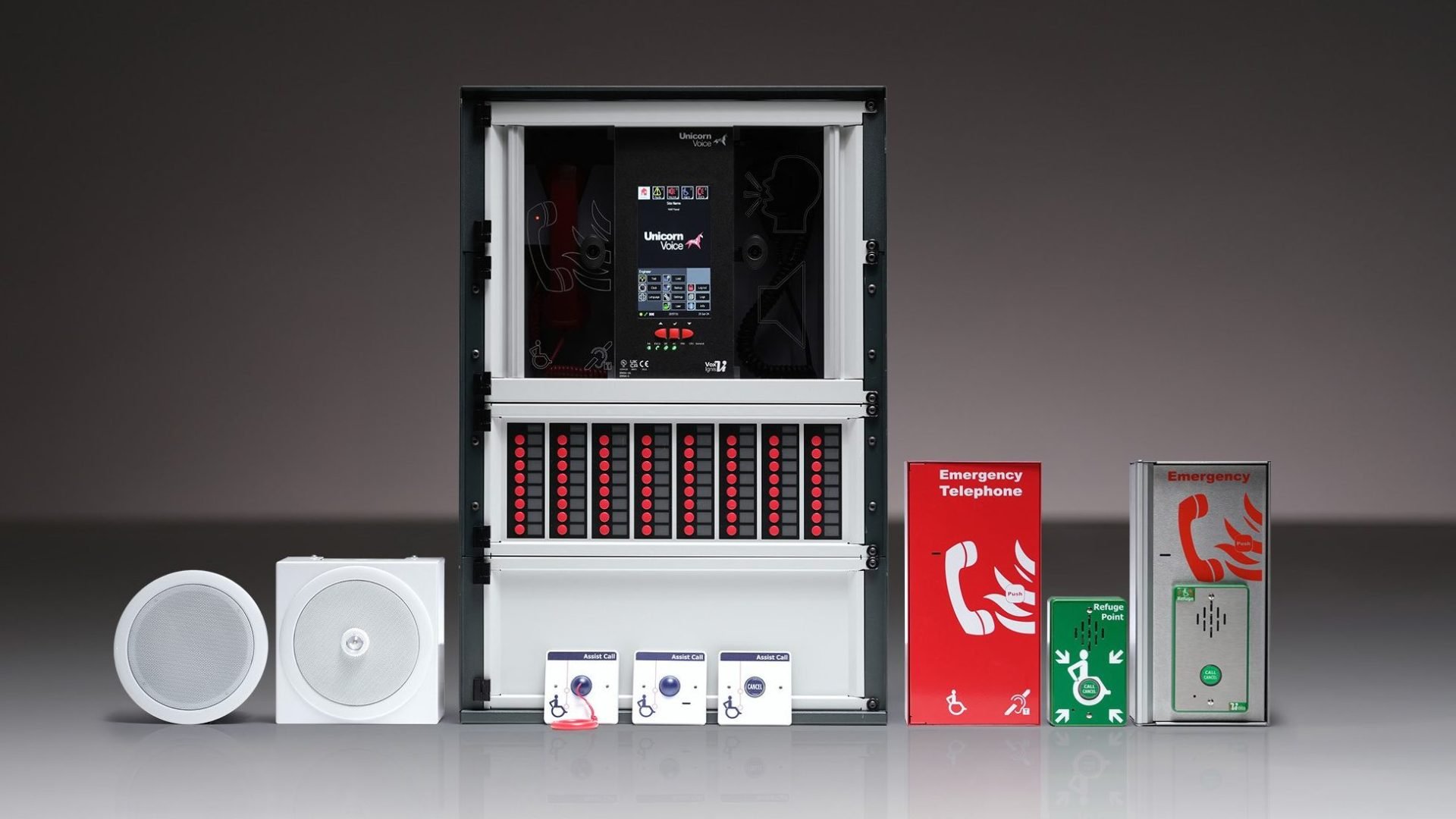
- Integration with PA/voice alarm systems for mass notification
- Mobile app control for security managers
Public Address & Voice Alarm
Effective communication during a terrorist incident is critical. Voice alarm systems provide:
- Pre-recorded messages for different scenarios (evacuate, invacuate, lockdown)
- Zone-based messaging — different instructions to different areas
- Override capability for emergency services
- Integration with fire alarm and lockdown systems
Preparing Your Venue: A Compliance Timeline
- Now (April 2026) — Review the SIA Section 12 guidance when published. Determine your venue's tier classification. Respond to the public consultation if you wish to influence the enforcement framework
- Q2 2026 — Complete or commission your terrorism risk assessment. Identify gaps in physical security measures against enhanced tier requirements
- Q3 2026 — Begin procurement of any required security system upgrades (CCTV, access control, lockdown, PA). Allow lead times for design, manufacture, and installation
- Q4 2026 — Complete staff training, finalise procedures, and conduct tabletop exercises. Ensure all documentation is in place
- 2027 — Full enforcement expected. SIA inspections begin
How Affinity Fire & Security Supports Martyn's Law Compliance
We provide the full range of security systems required for Martyn's Law compliance across commercial and public sector venues in Bristol, Gloucester, and the South West:
- CCTV design and installation with AI video analytics
- Access control systems with lockdown integration
- Lockdown systems for rapid premises securing
- Voice alarm and PA systems for mass notification
- Integrated security solutions combining all elements into a single managed platform
- Ongoing maintenance and support to ensure systems remain operational and compliant
As a specialist contractor, backed by a team with 25+ years of industry experience, we understand the operational realities of securing public-facing venues. Get in touch with our team for a free consultation and Martyn's Law readiness assessment.
Talk to a Local Engineer
If you would like honest advice, a clear written quote, or help with compliance paperwork,get in touch with our team. We are a small, experienced South West team, and we look after every customer properly — no pushy sales, no hidden extras, and documentation you can rely on.