Every independent retailer we work with has the same constraint: the budget is real, and it is competing with stock, rent and staff hours. The answer is not to buy the cheapest system on the internet. It is to spend in the right order, so that whatever you can afford this year covers the most likely losses.
This is how we phase shop security for small businesses across Bristol, Bath, Weston-super-Mare, Taunton and Bridgwater, with honest indicative costs.
Phase 1: Perimeter and Entry
Phase 1 is about the thing that hurts most — a forced entry overnight that costs you the stock, the door, and a day's trading while you wait for a glazier. Almost all of it happens at the back.
- Rear door contact and stockroom detector — the pairing that catches the majority of real break-ins.
- Shock or vibration sensor on the roller shutter — detects an attack in progress rather than after the shutter is up.
- One identification camera at the entrance — mounted at face height, with a lens and sensor chosen for the light you actually have at 6pm in January.
- Sounder and app notifications — noise deters, and a push notification tells you before the milkman does.
Indicative cost: a professionally installed Grade 2 wireless intruder alarm covering a small retail unit typically lands between £700 and £1,400, and a single high-quality entrance camera with a recorder around £400 to £700. Prices vary with building access, cable routes and how many devices the layout genuinely needs — a survey is what turns a range into a number.
Phase 2: Coverage and Evidence
Once the perimeter is sound, extend inwards. This is the phase that helps with daytime losses and disputes.
- Till point camera — covering both the drawer and the customer side. It settles refund and change disputes as often as it catches theft.
- Sales floor and aisle coverage — context views showing movement through the shop.
- Delivery and yard camera — where stock arrives and where bins and stock cages sit.
- Remote viewing set up properly — with individual logins rather than one shared password, and retention configured to a period you can justify.
Indicative cost: extending to a four-camera system with a recorder generally sits between £900 and £1,800 installed. Our CCTV installation page covers camera types and how we specify them.
Phase 3: Monitoring and Response
A bells-only alarm relies on someone hearing it and caring. Monitoring puts a professional alarm receiving centre behind it.
- Keyholder response — the centre calls your nominated contacts in order when the alarm activates.
- Police response — requires a compliant, certificated installation and a Unique Reference Number, and comes with rules about false alarms.
- Video verification — cameras confirm an actual intruder before an escalation, which cuts wasted call-outs dramatically.
Indicative cost: monitoring contracts commonly run from around £150 to £400 a year depending on signalling path and response level, usually alongside an annual service visit. See alarm monitoring for how the signalling paths differ.
Shoplifting vs After-Hours Break-Ins
These are two different problems and they need different kit. It is worth being clear about which one you are actually solving.
After-hours break-in
- Door contacts and shock sensors on the physical entry points.
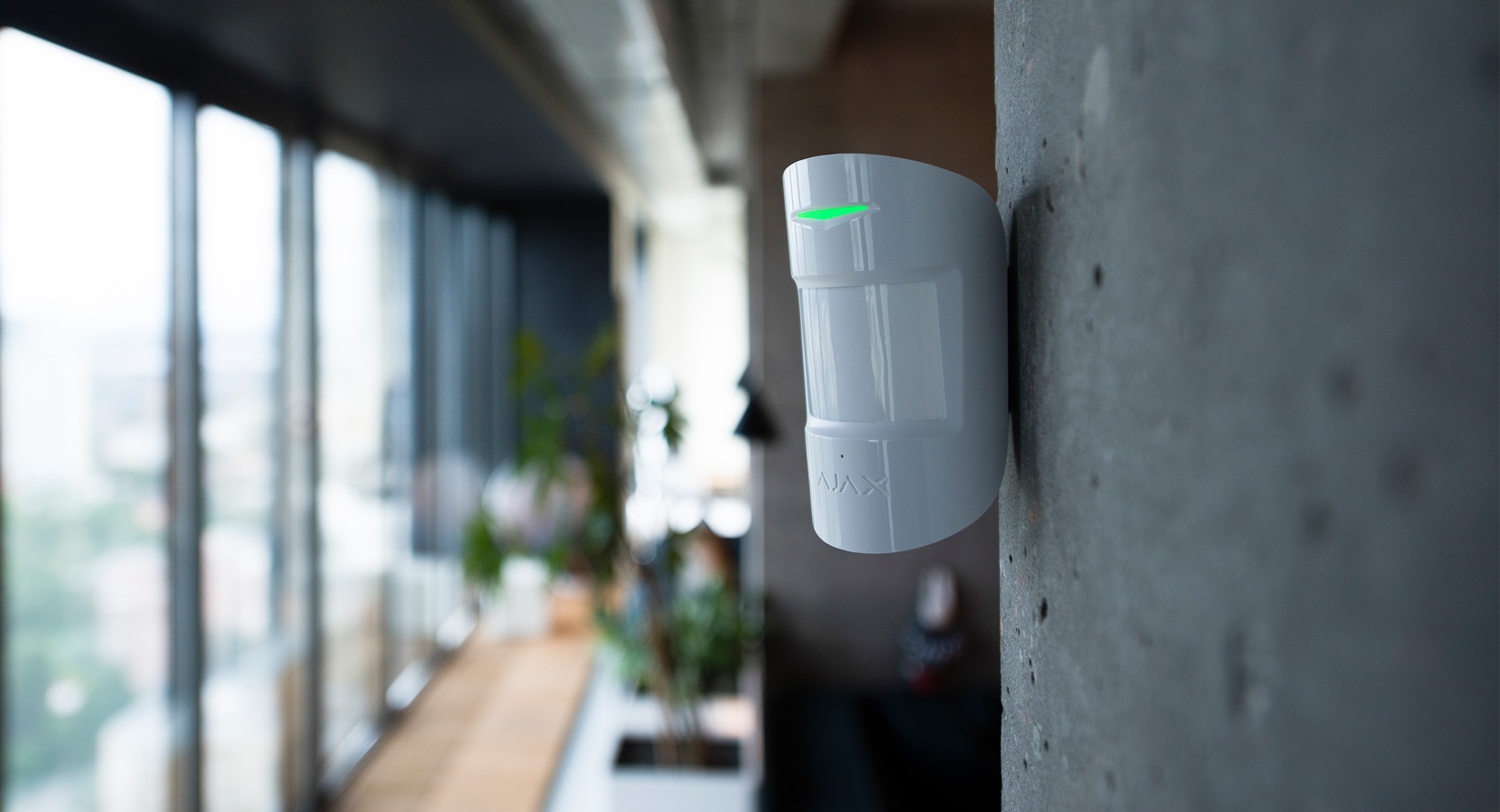
- PIR detectors covering the routes an intruder must walk.
- Dual-technology detectors (PIR plus microwave) where heaters, draughts or pets would otherwise cause false alarms.
- An audible sounder and a monitored signalling path.
Daytime shoplifting
- An identification camera at the door — the only one likely to produce a usable image for police.
- Clear sightlines from the till to high-value displays.
- High-value stock positioned away from the exit, not beside it.
- Visible screens showing live footage at the entrance, which deters opportunists more than a discreet dome does.
Where Not to Spend
- Camera count for its own sake — eight mediocre cameras produce eight mediocre images. Four good ones produce evidence.
- Consumer smart cameras for a business — cloud subscriptions add up, footage export for police can be awkward, and the data handling is harder to defend under GDPR.
- Analytics packages designed for chains — heat maps and dwell time are for estates optimising layout across 40 stores.
- Skipping the service visit to save £120 — an unserviced system is the one that cries wolf until it is switched off.
What We Would Do With £1,500
If a retailer handed us a fixed £1,500 for a typical small unit, we would put it into a Grade 2 wireless intruder alarm covering the rear door, stockroom and sales floor with a shutter shock sensor and app control, plus one properly specified identification camera at the entrance with a recorder, configured retention and a handover that shows you how to export footage. Then we would leave the extra cameras for next year, and say so.
If your unit is a café, takeaway or anything with a kitchen, the fire side needs separate thought — see fire alarm requirements for cafés, takeaways and small hospitality. And for the full compliance picture for a shop, read fire and security for small shops in Bristol.
Frequently Asked Questions
How much does CCTV cost for a small shop in the South West?
As an indicative range, a professionally installed four-camera system with a recorder, proper night performance and configured retention typically falls between £900 and £1,800 depending on cable routes, camera specification and whether the building makes access awkward. Cheaper kits exist, but the cost difference is usually in the lens, the low-light sensor and the installation rather than the box.
What should an independent retailer buy first?
Perimeter and entry protection: contacts and detectors on the rear door and stockroom, a shock sensor on the roller shutter, and one identification-grade camera at the entrance. Those items address forced entry after hours, which is the event most likely to close your shop for a day.
Is monitored alarm response worth the annual cost?
It depends on whether anyone will respond to a bells-only alarm. If you live above the shop or two streets away, bells-only may be enough. If you are half an hour away, monitoring by an alarm receiving centre with keyholder or police response usually justifies its annual fee the first time it is used.
Do cameras stop shoplifting?
Cameras deter opportunists and provide evidence, but they do not stop determined or organised theft on their own. Staff awareness, layout, and where you place high-value stock relative to the door do more day to day. Cameras earn their keep on after-hours break-ins and on disputes at the till.
Talk to a Local Engineer
Tell us your budget up front. We would far rather design something honest around a real number than send a quote that quietly ignores it. We will show you what that budget buys, what it leaves uncovered, and what we would add next.