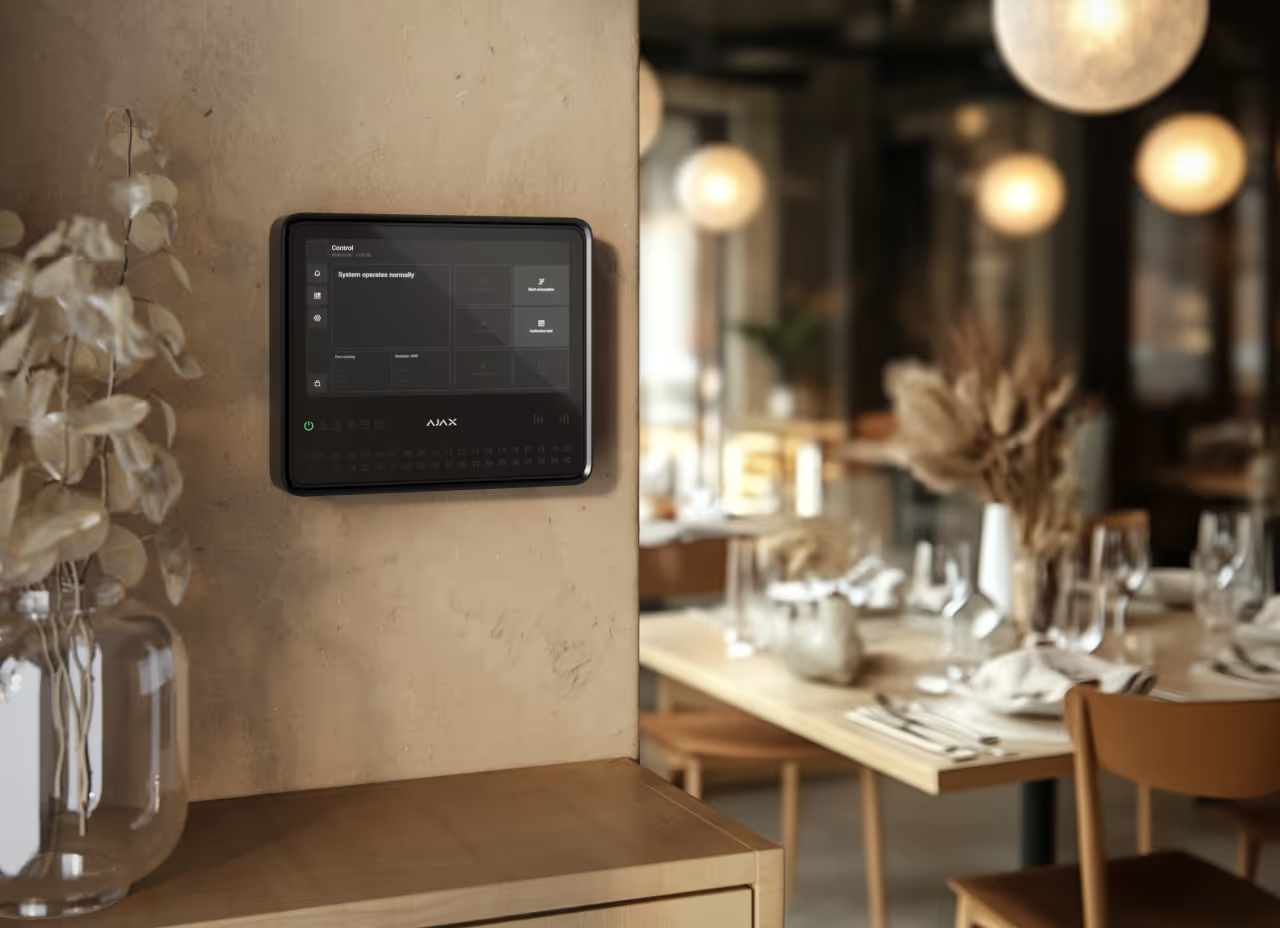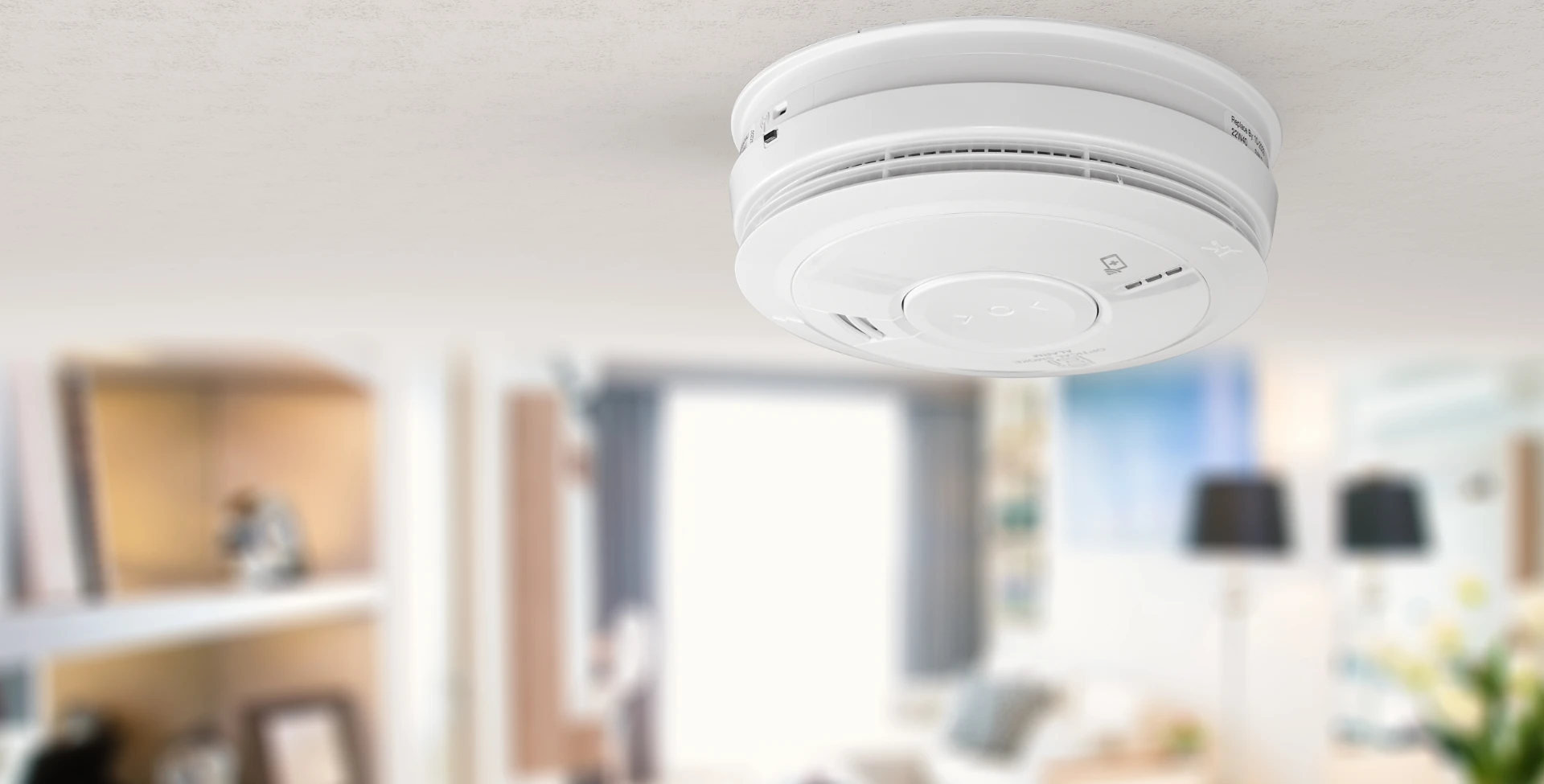

Wireless fire alarm systems have become an increasingly popular choice for rural Somerset properties — country houses, farmsteads, converted barns, estate buildings, and heritage structures where traditional wired installation is impractical, disruptive, or prohibited. However, wireless systems introduce a distinct set of maintenance considerations that differ significantly from their wired counterparts. Understanding these requirements is essential for ensuring your wireless fire alarm continues to provide reliable protection in the challenging environment of rural Somerset.
Why Wireless Fire Alarms Suit Rural Somerset Properties
The appeal of wireless fire alarm technology for rural properties is straightforward:
- No cable routing — Eliminates the need to chase cables into stone walls, run trunking across period features, or lift historic flooring
- Listed building compatibility — Avoids the physical alterations that would require listed building consent. See our guide to wireless fire alarms for listed buildings in Bath for more on heritage applications
- Rapid installation — A wireless system can typically be installed in a fraction of the time required for a wired equivalent
- Flexibility — Devices can be repositioned or additional devices added without cable infrastructure changes
- Reduced disruption — No drilling, channelling, or making good — critical for occupied properties and working farms
However, these advantages come with maintenance obligations that must be understood and planned for from the outset.
Signal Range Testing: The Most Critical Maintenance Task
Wireless fire alarm devices communicate with the control panel and with each other via radio frequency signals. In rural Somerset properties, signal reliability can be affected by:
Building Construction
- Thick stone walls — Traditional Somerset stone construction (lias, Ham stone, Bath stone) significantly attenuates radio signals. A detector mounted on one side of a 600mm stone wall may struggle to communicate with a repeater or translator on the other side
- Metal structures — Agricultural buildings with steel frames, metal cladding, or corrugated roofing can create Faraday cage effects that block or reflect radio signals
- Timber frame and lath-and-plaster — Generally more radio-transparent than stone, but metal lath or foil-backed insulation can cause interference
Environmental Interference
- Seasonal vegetation — Dense foliage between buildings can attenuate signals during summer months, creating seasonal reliability variations
- Agricultural equipment — Large metal vehicles and machinery moving through or parked near the property can temporarily block signal paths
- Other RF devices — Rural broadband boosters, Wi-Fi extenders, and radio telemetry used in farming can operate on frequencies that interfere with fire alarm communications
Signal range testing should be carried out at every service visit, including measurement of received signal strength at each device. The 2025 edition of BS 5839-1 provides enhanced guidance on minimum signal strength thresholds and the use of repeaters to maintain reliable communication paths.
Battery Replacement Schedules
Unlike wired detectors that draw power from the loop cable, wireless devices rely entirely on battery power. Battery management is therefore a critical maintenance activity:
- Primary batteries — Most wireless fire alarm devices use lithium primary cells with a typical life of 3 to 5 years depending on the manufacturer and the device's transmission frequency. These must be replaced proactively before they reach end-of-life
- Low battery warnings — The control panel will indicate when a device battery is running low. These warnings must be actioned promptly — a device with a depleted battery is a non-functional device
- Temperature effects — Unheated rural buildings, barns, and outbuildings experience temperature extremes that can reduce battery life below the manufacturer's stated figure. Cold temperatures significantly affect lithium cell performance
- Replacement records — Battery replacement dates should be recorded in the log book for every device, enabling proactive scheduling of future replacements
Hybrid Wired/Wireless Approaches
For many rural Somerset estates, a hybrid approach combining wired and wireless technology provides the best balance of reliability and practicality:
- Wired backbone — The main control panel, primary loop cabling, and devices in accessible areas use conventional wired connections for maximum reliability
- Wireless extensions — Devices in areas where cable routing is impractical — listed rooms, outbuildings, converted spaces — communicate wirelessly via translators connected to the wired loop
- Repeater strategy — Wireless repeaters are positioned to maintain reliable signal paths across the property, accounting for construction materials and building geometry
This approach is particularly effective for Somerset country houses and estates where a Grade I or II listed main house connects to more modern ancillary buildings, staff accommodation, or converted agricultural buildings.
Maintenance Schedule for Wireless Systems in Rural Properties
In addition to the standard BS 5839-1 maintenance regime (weekly testing, quarterly inspection, annual servicing), wireless systems in rural Somerset properties require:
- Signal strength measurement at every service visit — Not just confirming devices communicate, but measuring and recording the actual signal level
- Seasonal signal testing — Ideally testing during both summer (full foliage) and winter to identify seasonal variations
- Battery voltage monitoring — Recording battery levels at each visit to establish degradation trends and predict replacement needs
- Environmental review — Checking for any changes to the property or surrounding area that could affect signal paths — new buildings, metal structures, vegetation growth
- Firmware updates — Some wireless fire alarm systems receive firmware updates from the manufacturer that improve performance or address known issues. These should be applied during service visits
Affinity Fire & Security Wireless Fire Alarm Services for Rural Somerset
We have plenty of practical experience designing, installing, and maintaining wireless and hybrid fire alarm systems for rural properties across Somerset. We work with wireless platforms from Hochiki (Ekho), Apollo, and other leading manufacturers, selecting the technology best suited to each property's construction and layout.
Our planned maintenance programmes for wireless systems include all standard BS 5839-1 requirements plus the additional signal strength, battery management, and environmental checks that wireless technology demands. Get in touch with our team for a consultation on wireless fire alarm maintenance for your rural Somerset property.
Talk to a Local Engineer
If you would like honest advice, a clear written quote, or help with compliance paperwork,get in touch with our team. We are a small, experienced South West team, and we look after every customer properly — no pushy sales, no hidden extras, and documentation you can rely on.