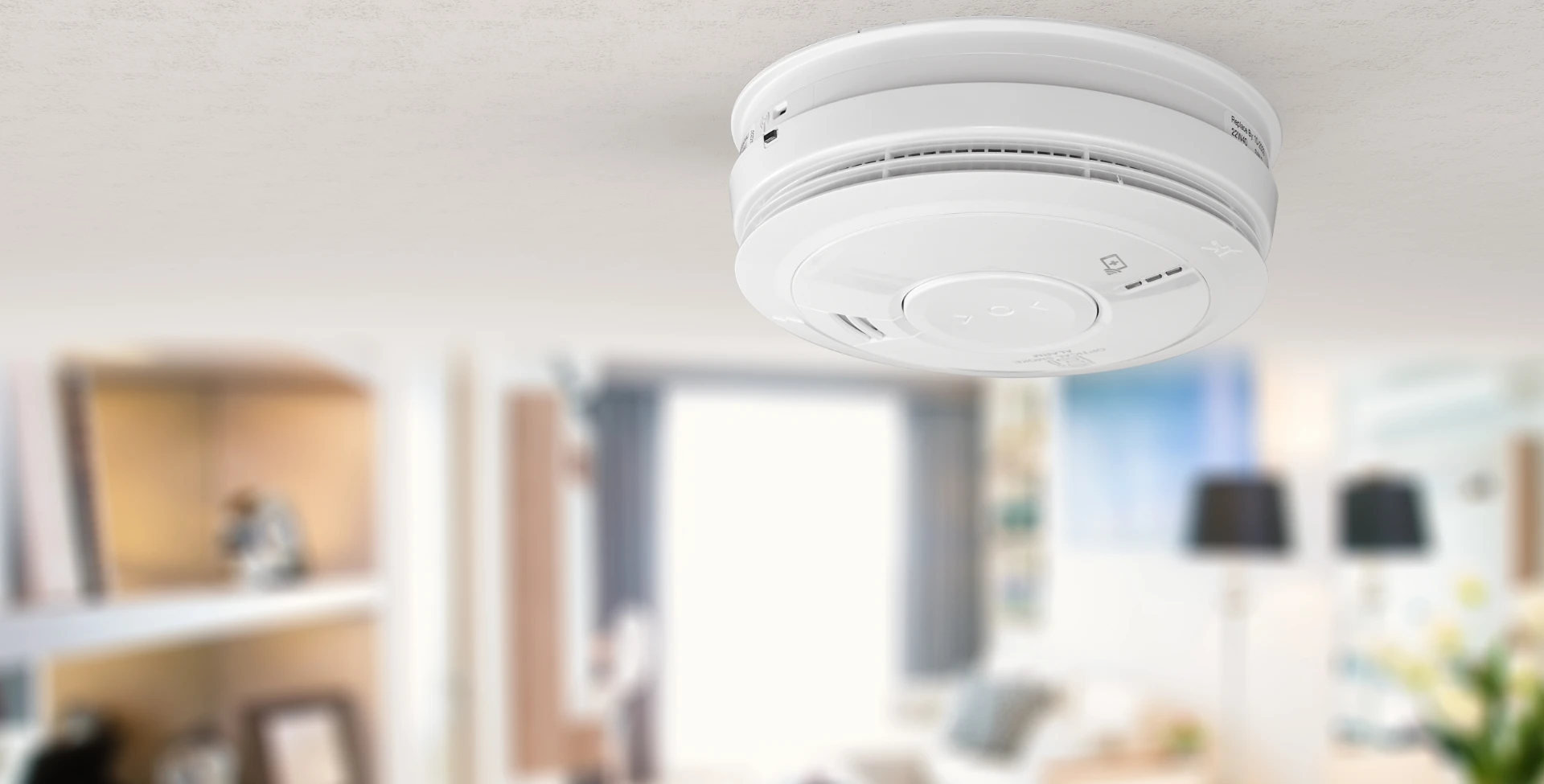
If you are a landlord in Somerset letting residential properties — particularly houses in multiple occupation (HMOs) — the consequences of failing to maintain your fire alarm system are now more severe than ever. Fines of up to £30,000 can be imposed for fire safety breaches under the Housing Act 2004, and unlimited fines are possible under the Regulatory Reform (Fire Safety) Order 2005. In the most serious cases, custodial sentences are on the table. This is not theoretical: Somerset landlords have faced prosecution for exactly these failures.
Your Legal Obligations as a Somerset Landlord
Landlords letting residential properties in Somerset operate under two overlapping pieces of legislation, each imposing distinct fire safety duties:
The Regulatory Reform (Fire Safety) Order 2005
This applies to the common parts of residential buildings — hallways, staircases, landings, and shared facilities. As the landlord, you are the Responsible Person for these areas. Your duties include:
- Carrying out a fire risk assessment of the common parts
- Implementing any fire safety measures recommended by the assessment
- Installing and maintaining fire detection and alarm systems as required
- Keeping records of all fire safety measures and maintenance activities
- Reviewing and updating the fire risk assessment regularly
The Housing Act 2004 (HMO Licensing)
For HMOs — properties occupied by three or more persons forming two or more separate households — additional requirements apply. Mandatory HMO licensing conditions typically include specific fire alarm requirements, and failure to comply with licence conditions is a criminal offence carrying fines of up to £30,000 per breach.
Fire Alarm Categories for Residential Properties: LD1, LD2, and LD3
BS 5839-6 defines three categories of fire detection for residential premises. Understanding which category applies to your Somerset rental property is essential:
Category LD3 — Minimum Protection
Detection in escape routes only — typically hallways, landings, and staircases. This is the absolute minimum for most rented properties and is only acceptable where the fire risk assessment confirms that escape routes are the primary concern.
Category LD2 — Standard for Most HMOs
Detection in escape routes plus all rooms or areas that present a high fire risk — typically kitchens, living rooms, and any room where a fire could start and develop undetected. Most Somerset HMO licensing authorities specify LD2 as the minimum requirement.
Category LD1 — Maximum Protection
Detection in all rooms including bedrooms, living rooms, kitchens, and escape routes. Required for higher-risk HMOs, properties with complex layouts, or where the fire risk assessment identifies specific concerns. Some Somerset local authorities now require LD1 for all licensable HMOs.
What Maintenance Is Required?
Installing a fire alarm system is only the beginning. Ongoing maintenance is equally important and is a specific legal requirement. For a detailed breakdown of servicing intervals, see our guide on fire alarm servicing frequencies:
- Weekly testing — A different detector or call point should be tested each week, with results recorded in a log book
- Monthly checks — Visual inspection of all devices for damage, obstruction, or contamination
- Annual professional servicing — A full inspection and functional test of every device by a competent fire alarm engineer, including detector sensitivity testing and battery load testing
- Immediate fault rectification — Any fault identified during testing or reported by tenants must be addressed without delay
The Enforcement and Fine Regime
Somerset local authorities and the fire service have enforcement powers that can be exercised independently or together:
- Improvement notices — Requiring you to carry out specific fire safety works within a set period
- Prohibition notices — Preventing occupation of the property until fire safety deficiencies are resolved
- Simple caution — A formal warning that remains on record and can be cited in any future proceedings
- Prosecution — Criminal charges under the Housing Act or Fire Safety Order, with fines of up to £30,000 per offence under the Housing Act and unlimited fines under the Fire Safety Order
- Rent repayment orders — Tenants can apply to recover up to 12 months' rent if the landlord is convicted of a housing offence
- Management orders — The local authority can take control of the property if management standards are consistently inadequate
In cases where a fire results in death or serious injury and the fire alarm was not maintained, manslaughter charges are possible. Our article on common compliance failures details the issues enforcing authorities look for during inspections.
Common Failures in Somerset Rental Properties
From our experience inspecting and maintaining fire alarm systems in Somerset rental properties, the most common failures include:
- Detectors removed or disabled by tenants — often due to cooking-related false alarms, indicating incorrect detector type or placement
- No log book maintained — no record of weekly tests, faults, or servicing
- System not professionally serviced — landlords relying solely on their own weekly tests
- Wrong system category installed — LD3 where LD2 or LD1 is required
- Interconnection failure — detectors in individual flats not linked to communal alarm system
- Battery replacement overdue — back-up batteries in panel or standalone detectors past their replacement date
How Affinity Fire & Security Supports Somerset Landlords
We provide fire alarm installation, upgrade, and maintenance services specifically tailored for Somerset landlords and letting agents. Our service includes:
- Assessment of your property against the correct BS 5839-6 category
- Installation or upgrade to meet HMO licensing requirements
- Annual planned maintenance with full device testing and reporting
- Log book provision and guidance on weekly testing procedures
- Liaison with local authority licensing teams on technical queries
- Emergency call-out for system faults or tenant-reported issues
Our BS 5839-1 and British Standards provide the independent assurance that licensing authorities and insurers expect. Get in touch with our team for a consultation on fire alarm compliance for your Somerset rental properties.
Talk to a Local Engineer
If you would like honest advice, a clear written quote, or help with compliance paperwork,get in touch with our team. We are a small, experienced South West team, and we look after every customer properly — no pushy sales, no hidden extras, and documentation you can rely on.