BS 8629:2019 introduced a mandatory framework for evacuation alert systems in high-rise residential buildings across England. With the Building Safety Act 2022 now fully in force and enforcement action escalating through 2026, Bristol building owners and managers and responsible persons face a clear deadline: install a compliant evacuation alert system or risk prosecution, prohibition notices, and uninsurable liability.
What Is BS 8629 and Why Does It Exist?
BS 8629:2019 — formally titled "Code of practice for the design, installation, commissioning, and maintenance of evacuation alert systems for use by fire and rescue services in buildings containing flats" — was developed in direct response to the Grenfell Tower tragedy. The standard provides fire and rescue services with a reliable, pre-installed system to initiate a simultaneous evacuation when the "stay put" strategy is overridden.
Unlike a conventional fire alarm system designed under BS 5839-1, an evacuation alert system under BS 8629 is not triggered automatically by fire detection. It is activated exclusively by the fire and rescue service attending the incident, using a dedicated override facility at the building entrance. This distinction is critical — the two systems serve fundamentally different purposes and must coexist within the same building.
Legal Requirements: Who Must Comply?
The Fire Safety (England) Regulations 2022, enacted under Article 24 of the Regulatory Reform (Fire Safety) Order 2005, impose specific duties on responsible persons for residential buildings containing two or more sets of domestic premises:
- Buildings 18 metres or above (7+ storeys) — The responsible person must install and maintain an evacuation alert system compliant with BS 8629. This is not optional — it is a statutory obligation with criminal penalties for non-compliance
- Buildings 11–18 metres — While not currently subject to a mandatory installation requirement, fire risk assessments for these buildings must explicitly consider whether an evacuation alert system is necessary. Avon Fire and Rescue Service may recommend or require installation through enforcement action
- All buildings with a "stay put" strategy — The fire risk assessment must now address the scenario where stay put fails and simultaneous evacuation becomes necessary
In Bristol, this affects a significant number of residential tower blocks across areas including Hartcliffe, Southmead, Lawrence Hill, Redcliffe, and the Harbourside — as well as newer high-rise developments in Temple Quarter and Finzels Reach.
How an Evacuation Alert System Works
A BS 8629-compliant system consists of several interconnected components, each specified to ensure reliable operation during a real emergency:
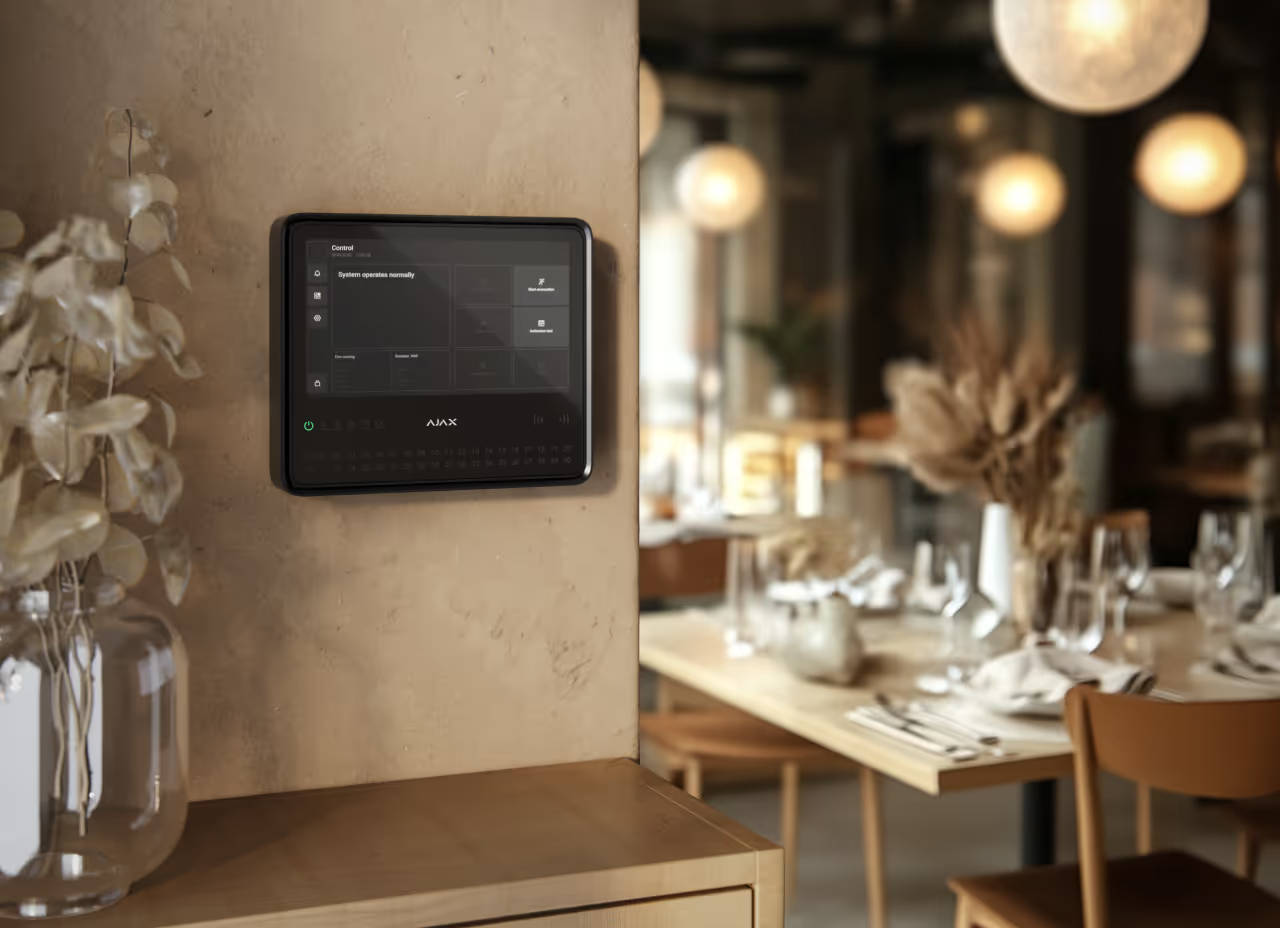
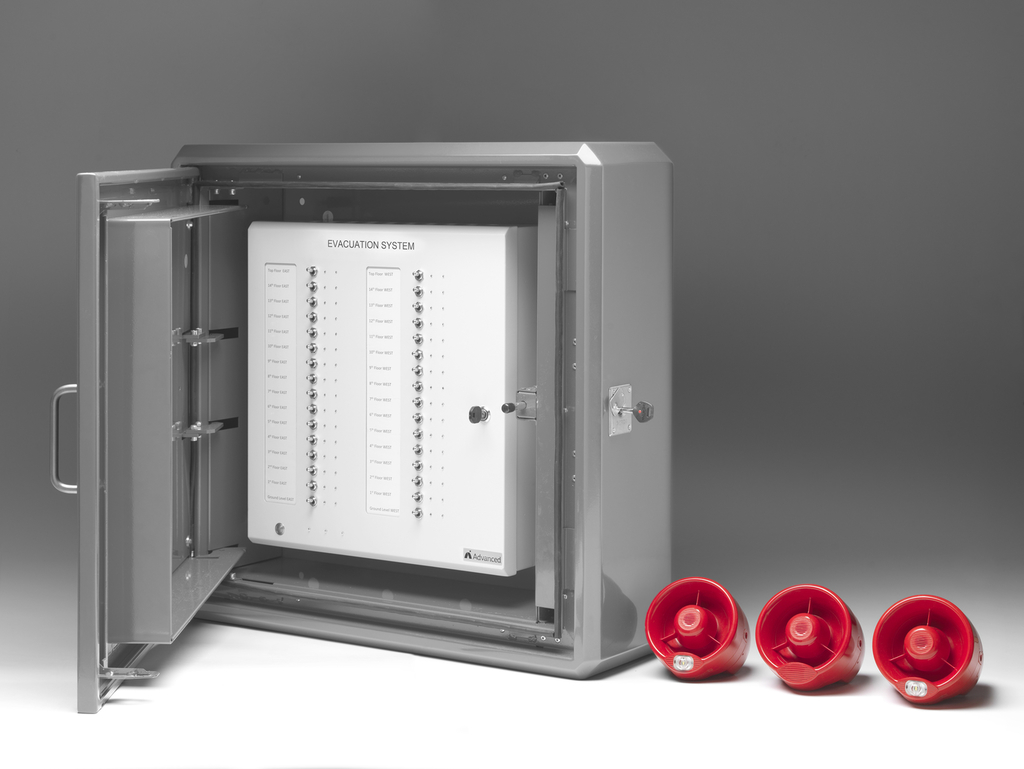
- Evacuation alert control and indicating equipment (EACIE) — The central panel, typically located at the fire and rescue service access point (usually the main entrance lobby). This panel allows firefighters to activate the alert across the entire building or selected zones
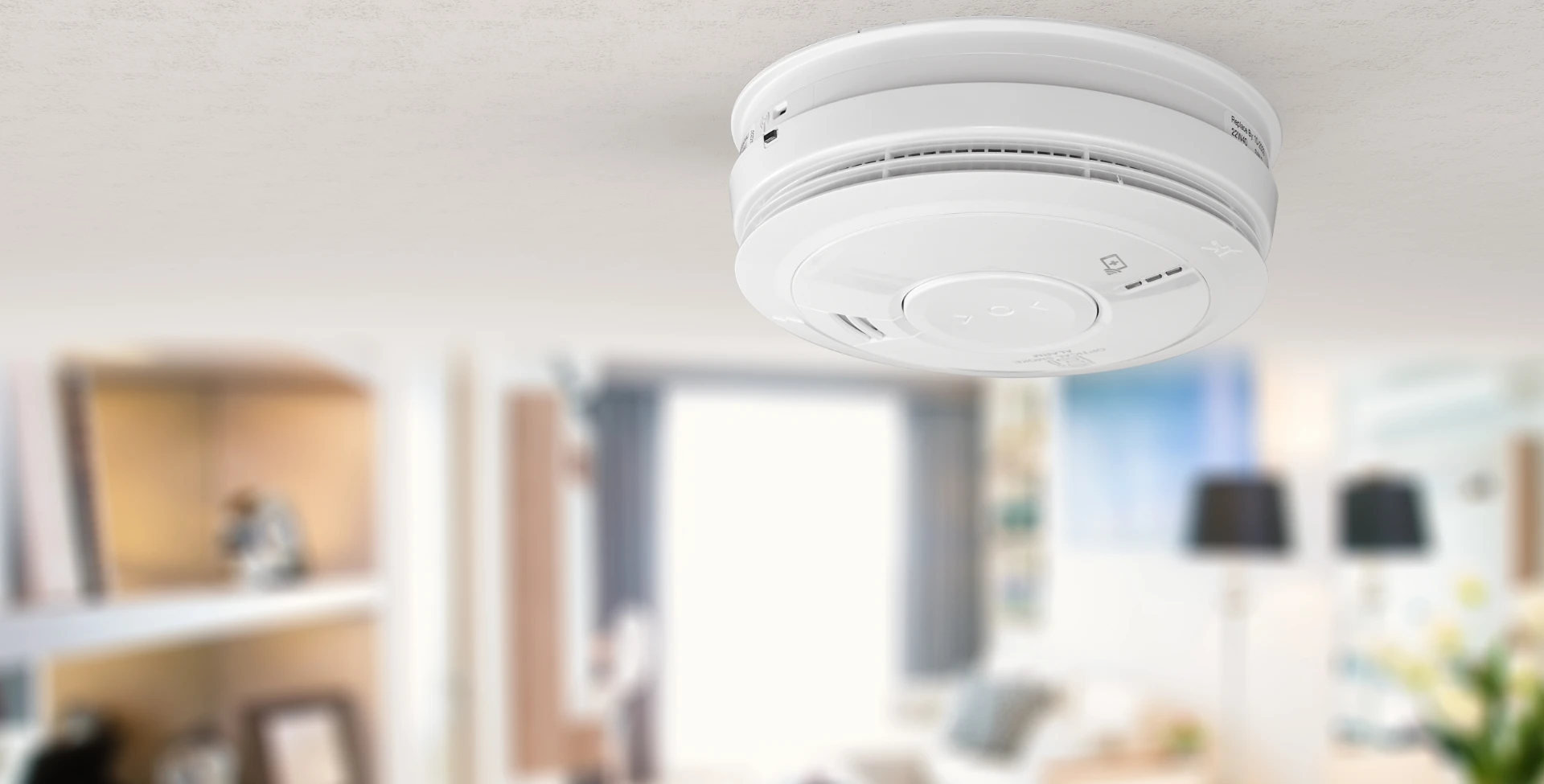
- Evacuation alert sounders — Audible warning devices installed in every flat, producing a distinctive sound pattern that is different from the building's fire alarm. BS 8629 specifies a minimum 75dBA at the bedhead in sleeping areas and 65dBA in other habitable rooms
- Visual alarm devices (VADs) — Required in flats where occupants may not hear the audible alert, including those occupied by deaf or hard-of-hearing residents
- Wiring and infrastructure — Fire-resistant cabling meeting the requirements of BS 7629-1 (standard) or BS 8434-2 (enhanced), ensuring the system remains operational during a developing fire
- Firefighter override switch — A secure activation point accessible only to the fire and rescue service, preventing accidental or malicious activation
BS 8629 vs BS 5839: Understanding the Difference
One of the most common misunderstandings we encounter during compliance audits in Bristol is the assumption that an existing fire alarm system satisfies the BS 8629 requirement. It does not. The two standards serve distinct functions:
| Feature | BS 5839-1 (Fire Alarm) | BS 8629 (Evacuation Alert) |
|---|---|---|
| Purpose | Detect fire and warn occupants | Enable fire service to order simultaneous evacuation |
| Activation | Automatic (detectors) or manual (call points) | Manual — fire service only |
| Coverage | Common areas and/or flats (L1, L2, L3) | Inside every flat — audible at bedhead |
| Sound pattern | Standard fire alarm tone | Distinctive "evacuation" tone (different from fire alarm) |
| Control | Building management / residents | Fire and rescue service exclusively |
Both systems must be installed independently with separate control panels, wiring, and sounder circuits. They cannot share infrastructure.
Design Considerations for Bristol High-Rise Buildings
Bristol's residential high-rise stock presents specific challenges for BS 8629 installation:
- Retrofit complexity — Many of Bristol's tower blocks were constructed in the 1960s and 1970s with limited provisions for modern fire safety infrastructure. Running fire-resistant cabling through existing risers, service shafts, and flat entry points requires careful planning and coordination with residents
- Access to individual flats — Installing sounders inside each flat requires leaseholder and tenant engagement. For housing association properties, this involves coordinated access programmes across potentially hundreds of dwellings
- Integration with existing fire systems — The evacuation alert system must coexist with the building's fire alarm system, emergency lighting, and smoke ventilation without interference. Cause-and-effect integration requires experienced fire system design
- Sounder coverage verification — Achieving 75dBA at the bedhead in every flat requires acoustic modelling and on-site testing, particularly in flats with non-standard layouts or heavyweight internal walls
- Accessibility requirements — Properties with deaf, hard-of-hearing, or mobility-impaired residents require visual alarm devices and potentially vibrating pillow alerts, coordinated through individual Personal Emergency Evacuation Plans (PEEPs)
What Installation Involves
A typical BS 8629 installation programme for a Bristol high-rise block includes:
- Site survey and feasibility study — Assessing existing infrastructure, cable routes, riser access, flat layouts, and the location of the fire service access point
- System design — Producing detailed drawings, sounder positions, cable routes, zoning strategy, and integration specifications. The design must comply with BS 8629:2019 in its entirety
- Resident engagement — Coordinating access to every flat, communicating the purpose and timeline of works, and addressing leaseholder concerns. For housing associations, this is often managed through a phased programme
- Installation — Running fire-resistant cabling, installing the EACIE panel, mounting sounders and VADs in every flat, and fitting the firefighter override switch at the building entrance
- Commissioning — Testing every sounder, verifying sound levels meet 75dBA/65dBA thresholds, confirming zone operation, and testing the firefighter activation procedure
- Handover and documentation — Providing as-built drawings, commissioning certificates, a BS 8629 certificate of compliance, operational manual, and resident information leaflets explaining the system
Ongoing Maintenance Requirements
BS 8629 requires regular maintenance to ensure the system remains operational and compliant:
- Monthly testing — Functional testing of the EACIE panel and a sample of sounders, with results recorded in the system log book
- Six-monthly inspections — A competent contractor should inspect the system, test sounder levels, check wiring integrity, and verify the firefighter override mechanism operates correctly
- Annual servicing — Full inspection and test of every device by a qualified fire systems contractor. This should be carried out by an competent contractor working to BS 5839-1
- Fault management — Any faults must be investigated and resolved within the timescales specified in the fire risk assessment. An inoperative evacuation alert system represents a critical safety failure
We provide planned preventative maintenance contracts that cover all BS 8629 servicing requirements alongside your existing fire alarm maintenance programme.
Penalties for Non-Compliance
The consequences of failing to install a BS 8629-compliant system where legally required are severe:
- Enforcement notices — Avon Fire and Rescue Service can issue formal enforcement notices requiring installation within a specified timeframe
- Prohibition notices — In extreme cases, a prohibition notice can restrict occupation of the building until the system is installed
- Criminal prosecution — The responsible person can face criminal charges under the Fire Safety Order, with unlimited fines and potential custodial sentences
- Insurance implications — Non-compliance with statutory fire safety requirements may invalidate building insurance cover, leaving the responsible person personally liable for losses
Why Choose Affinity Fire & Security for BS 8629 Installation in Bristol?
As a specialist contractor working to BS 5839-1, backed by a team with 25+ years of industry experience, We provide BS 8629 evacuation alert systems with the specialist design capability these installations demand. We work with leading manufacturers including Advanced and Kentec to provide robust, reliable systems.
Our experience with housing associations, local authorities, and private management companies across Bristol and the South West means we understand the practical challenges of high-rise retrofit projects — from resident coordination to regulatory compliance. If your building currently relies on a Waking Watch, find out how the £62.7m IMAF fund can fully cover your fire alarm installation.
Get in touch with our team for a free, no-obligation site survey and quotation for BS 8629 evacuation alert system installation in Bristol and across the South West.
Talk to a Local Engineer
If you would like honest advice, a clear written quote, or help with compliance paperwork,get in touch with our team. We are a small, experienced South West team, and we look after every customer properly — no pushy sales, no hidden extras, and documentation you can rely on.